

A property insurance claim may begin with an inspection, photographs, repair estimates, and discussions with an adjuster. Problems can arise when the insurer questions the cause of the damage, disputes the cost of repairs, excludes certain losses, requests additional documentation, or pays only part of the claim. These disagreements can become more complicated when the property needs extensive repairs or the business cannot operate normally.
The insurance policy, the facts surrounding the loss, and the documentation supporting the claim all affect what the insurer may owe. Policyholders may need to review the carrier’s coverage position, identify gaps in the claim file, and determine whether the insurer’s proposed payment accounts for the covered damage.
Attorney Fienman can evaluate property insurance disputes and determine what legal options may be available. Depending on the circumstances, representation may involve reviewing the policy and claim records, addressing disagreements over coverage or valuation, negotiating unpaid benefits, or pursuing litigation when warranted.
What Should I Do If My Property Insurance Company Will Not Pay My Claim?
If your insurer has denied your claim, delayed a decision, or offered less than you believe the damage warrants, start by reviewing the insurer’s explanation and gathering the records related to the loss. The next steps depend on the policy language, the reason for the insurer’s position, and the evidence supporting the amount claimed.
Consider taking the following steps:
- Review the insurer’s written decision. Identify which portions of the claim were approved, reduced, or denied, and the reasons the insurer provided.
- Gather the relevant records. Preserve the policy, claim correspondence, photographs, videos, repair estimates, invoices, inventories, and other documentation related to the damage.
- Document the condition of the property. Keep records of damage, temporary repairs, mitigation work, and additional problems discovered during the repair process.
- Track expenses and payments. Maintain records of repair costs, temporary relocation expenses where applicable, business losses, and amounts already paid by the insurer.
- Consider legal advice before accepting the insurer’s position. An attorney can review the policy and available evidence to assess whether the insurer’s decision may be challenged.
Policyholders should also pay attention to policy deadlines and any applicable legal deadlines. Depending on the circumstances, waiting to address a dispute may affect the available options. An attorney can help evaluate the insurer’s position and identify issues that require further investigation.
Why Do Property Insurance Claims Get Denied, Delayed, or Underpaid?
Insurance disputes can develop for several reasons. The insurer may disagree with the policyholder about the cause of the damage, the extent of covered repairs, the value of damaged property, or whether a particular loss falls within the policy’s coverage.
Disputes About the Cause of Damage
An insurer may question whether the reported event caused the claimed damage. For example, a dispute may involve whether water damage resulted from a covered event or an excluded condition, or whether the reported damage occurred during the policy period.
Resolving these issues may require photographs, inspection reports, repair records, expert opinions, or other evidence about the property’s condition and the circumstances of the loss. The applicable policy language matters because coverage may depend on both the cause of the damage and any exclusions or limitations.
Disagreements About Repair Costs
An insurer’s estimate may not account for the full scope of work required to repair or rebuild the property. Differences can involve demolition, remediation, replacement materials, labor costs, code requirements, or damage discovered after work begins.
A contractor’s estimate or other supporting documentation may help explain why additional work is necessary. When the parties disagree about the appropriate scope or cost of repairs, a closer review of the estimates, inspection findings, and policy terms may be needed.
Questions About Damaged or Missing Property
Claims involving personal belongings, equipment, inventory, artwork, jewelry, or other valuable property may require documentation of ownership, condition, and value. The insurer may request receipts, appraisals, photographs, inventories, or other records to evaluate the claimed loss.
Missing records do not necessarily resolve the coverage question, but they may complicate the process. The available evidence and the policy’s requirements will affect how the claimed property loss can be established.
Disputes About Business Interruption
Commercial property policies may provide coverage for certain business losses resulting from covered physical damage. Depending on the policy, the claim may involve lost income, ongoing expenses, additional costs incurred to keep operating, or delays in repairing the property.
These claims often require financial records and evidence connecting the interruption to the covered damage. Disputes may concern the length of the interruption, projected revenue, operating expenses, or whether particular losses fall within the policy’s terms.
What Types of Property Insurance Claims Can Attorney Fienman Handle?
Attorney Fienman represents policyholders in property insurance disputes involving residential and commercial losses. The issues in each matter depend on the type of property, the reported damage, the applicable policy, and the insurer’s position.
Fire Damage Claims
Fire losses can involve structural damage, demolition, smoke damage, remediation, reconstruction, damaged belongings, temporary relocation, and other expenses. Disputes may concern the cause of the fire, the scope of necessary repairs, the value of personal property, or whether the insurer’s estimate accounts for the full extent of the damage.
Large fire claims may also require coordination with contractors, engineers, restoration professionals, or other experts. Their findings can help establish the property’s condition, the work needed to restore it, and the costs associated with that work.
Water Damage Claims
Water damage may require drying, demolition, remediation, replacement of building materials, and reconstruction. The insurer may dispute the source of the water, the extent of the resulting damage, or whether particular repairs are covered under the policy.
Documentation can be especially important when the full extent of the damage becomes apparent only after the property has been opened or restoration work begins. Inspection records, photographs, contractor estimates, and reports from qualified professionals may help explain the work required.
Theft and Personal Property Claims
Theft claims may involve questions about ownership, purchase history, value, authenticity, and the circumstances surrounding the reported loss. Supporting records can include receipts, appraisals, photographs, inventories, and police reports.
High-value property claims may require more detailed documentation to establish the nature and value of the items claimed. The insurer’s obligations depend on the policy terms, applicable limits, exclusions, and evidence supporting the loss.
Commercial Property Claims
Commercial property losses can affect buildings, equipment, inventory, tenant improvements, and other business assets. Depending on the extent of the damage, the claim may involve reconstruction costs, specialized equipment, code-related work, or repairs affecting business operations.
Disputes may also involve the relationship between the physical damage and additional claimed losses. Contractors, financial professionals, and other experts may be needed to evaluate particular issues, depending on the size and complexity of the claim.
Business-Interruption Claims
When covered property damage disrupts business operations, the policy may provide benefits for certain resulting financial losses. Evaluating the claim may require financial statements, sales records, payroll information, expense records, and documentation of the interruption.
The policy’s specific terms determine what losses may be covered and how they must be calculated. Legal review can help identify the relevant coverage provisions and assess disagreements about the amount or duration of the claimed interruption.
What If the Insurance Company’s Estimate Is Too Low?
An insurer’s estimate does not necessarily reflect the full cost of restoring damaged property. The estimate may omit necessary work, use different repair assumptions, account for less damage than the contractor identified, or fail to address issues discovered during construction.
The first step is to identify the differences between the insurer’s estimate and the work required. Depending on the claim, that review may involve:
- Comparing the insurer’s estimate with contractor estimates and inspection reports.
- Identifying omitted repairs, materials, labor, or remediation work.
- Reviewing photographs and other evidence showing the extent of the damage.
- Examining whether applicable building requirements affect the scope of repairs.
- Checking the policy’s limits, deductibles, exclusions, and payment provisions.
- Documenting additional damage or expenses identified after the initial inspection.
A policyholder may be able to provide additional information and request that the insurer reconsider its estimate. If the disagreement remains unresolved, legal representation may help evaluate the insurer’s obligations and determine whether further action is appropriate.
The amount recoverable depends on the policy and the evidence. An attorney cannot guarantee that the insurer will approve a higher estimate, but a careful review can clarify the basis for the dispute and the available options.
What If I Already Have a Public Adjuster?
A public adjuster may have an important role in documenting and presenting a property insurance claim. That work can include inspecting the damage, preparing estimates and inventories, compiling supporting records, and communicating with the insurer about the amount of the loss.
An attorney can address legal issues that arise when the insurer disputes coverage, refuses to pay benefits, or maintains a position the policyholder believes is inconsistent with the policy. Legal representation may also become useful when negotiations stall or the dispute requires consideration of litigation.
The attorney’s and public adjuster’s roles should be clear so their work complements rather than duplicates one another. Attorney Fienman can evaluate the legal issues in a claim while considering the documentation and work already completed by the public adjuster.
Can a Pennsylvania Property Insurance Claim Lawyer Help With a Denied Claim?
A denial letter should be reviewed in light of the policy language, the facts of the loss, and the evidence submitted to the insurer. The carrier may rely on an exclusion, a coverage limitation, a disagreement about causation, or an asserted failure to satisfy a policy requirement. The appropriate response depends on the reason for the denial and whether the insurer’s interpretation is supported by the policy and facts.
An attorney can review the denial, examine relevant policy provisions, assess the supporting records, and identify issues that may warrant further investigation or challenge. In some cases, additional documentation may help address the insurer’s concerns. In others, the dispute may require a more formal legal response.
A denial does not automatically mean the insurer acted improperly, and a disagreement does not guarantee that additional benefits are available. The policy language, evidence, and applicable law must be evaluated before determining what options may be viable.
What About Pennsylvania Insurance Bad Faith?
A delayed, disputed, or underpaid claim does not automatically establish insurance bad faith. Insurers may investigate claims and may have legitimate disagreements about coverage, causation, valuation, or the scope of repairs. However, the insurer’s conduct may raise separate legal issues in appropriate circumstances.
Evaluating a potential bad-faith matter requires more than showing that the claim was denied or that the policyholder disagrees with the payment. The insurer’s handling of the claim, its stated reasons, the available evidence, and the applicable law all matter.
Attorney Fienman can review the circumstances of a property insurance dispute to assess whether potential bad-faith issues warrant further consideration. Whether a separate claim is available depends on the facts and applicable legal standards.
What Does Property Insurance Claim Representation Involve?
The work required depends on the stage of the claim, the amount in dispute, the policy provisions at issue, and the evidence needed to address the insurer’s position.
Representation may involve reviewing the insurance policy and claim file, evaluating the insurer’s coverage decision, organizing supporting documentation, communicating with the insurer or its counsel, and identifying issues that require additional evidence. In a valuation dispute, the work may also involve reviewing contractor estimates, repair scopes, appraisals, or expert reports.
When the parties cannot resolve the dispute through the claim process, litigation may be appropriate. The decision to pursue litigation depends on the merits of the dispute, the available evidence, the potential recovery, the applicable deadlines, and other considerations.
Attorney Fienman evaluates these factors to determine what work may be appropriate for a particular matter. The available services and terms of representation are set forth in the engagement agreement.
How Are Fees Structured for Property Insurance Representation?
The fee arrangement depends on the nature of the dispute, the anticipated work, and the circumstances of the claim. The available arrangement should be discussed before representation begins.
Hourly Representation
Some property insurance matters require hourly legal work. This may be appropriate when the dispute involves extensive policy analysis, document review, negotiations, or other work that cannot readily be defined in advance.
The engagement agreement should explain the applicable rate, billing practices, and scope of the legal services.
Contingency-Fee Representation
For qualifying substantial property insurance claims, broader representation may sometimes be available on a contingency-fee basis. Under this arrangement, the attorney’s fee is tied to a recovery as defined by the fee agreement.
Acceptance depends on factors such as the merits of the dispute, available coverage, likely recovery, stage of the claim, complexity, and anticipated work. Contingency-fee representation is not guaranteed, and the specific terms must be established in a written agreement.
When Should I Contact a Property Insurance Claim Lawyer?
Consider speaking with an attorney when the insurer denies the claim, offers substantially less than the documented repair costs, repeatedly requests additional information without resolving the claim, or disputes whether the reported damage is covered. Legal advice may also be useful when the property requires extensive repairs, the business has experienced an interruption, or the insurer’s position is difficult to reconcile with the policy.
It is important to preserve relevant records and pay attention to policy requirements and applicable deadlines. Depending on the circumstances, the policy may impose notice, documentation, cooperation, or other obligations. Legal deadlines may also affect the time available to pursue a dispute.
Early review can help identify the central issues, determine what evidence is needed, and assess whether further communication with the insurer or a more formal legal response may be appropriate.
Why Hire Michael H. Fienman for a Property Insurance Dispute?
Property insurance disputes can involve detailed policy language, competing damage estimates, technical evidence, financial records, and disagreements over the insurer’s obligations. Addressing those issues requires attention to both the facts of the loss and the terms governing coverage.
Michael H. Fienman has more than 15 years of litigation experience involving civil and criminal matters, including complex commercial litigation, insurance-related disputes, discovery, depositions, trials, expert issues, and witness preparation. That background can be relevant when a property insurance dispute requires a careful review of documents, evaluation of competing positions, or preparation for litigation.
The appropriate approach depends on the claim and the issues in dispute. Attorney Fienman can evaluate the available records, explain potential legal options, and determine whether representation may be appropriate for the matter.
Frequently Asked Questions About Pennsylvania Property Insurance Claims
What should I do if my property insurance claim is denied?
Review the insurer’s written explanation and compare it with the policy language and evidence supporting the loss. Preserve relevant correspondence, photographs, estimates, invoices, and other claim records. An attorney can evaluate the denial and determine whether additional documentation or a legal challenge may be appropriate.
Can I dispute a low property insurance settlement offer?
You may be able to challenge an offer that does not account for the covered damage or necessary repairs. Comparing the insurer’s estimate with contractor estimates, inspection findings, photographs, and other supporting records can help identify the disagreement. The policy and available evidence determine whether additional benefits may be recoverable.
Does a denied claim mean my insurance company acted in bad faith?
No. A denial or payment dispute does not automatically establish bad faith. The insurer’s conduct, the reasons for its decision, the available evidence, and the applicable legal standards must be evaluated to determine whether a separate bad-faith issue may exist.
Can I hire a lawyer if I already have a public adjuster?
Yes. An attorney may address legal issues involving coverage, payment, or a dispute with the insurer while considering the work already completed by the public adjuster. The responsibilities of each professional should be clearly defined.
What documents should I gather for a property insurance dispute?
Relevant records may include the insurance policy, denial or payment letters, claim correspondence, photographs, videos, contractor estimates, invoices, repair records, inventories, appraisals, and reports from relevant professionals. Commercial claims may also require financial statements and records supporting business-interruption losses. The documents needed depend on the type of claim and the insurer’s position.
Can a property insurance lawyer help with business-interruption losses?
An attorney can review the policy provisions and evidence relating to claimed business losses. The analysis may involve financial records, operating expenses, lost revenue, the length of the interruption, and the relationship between the interruption and covered property damage. Coverage depends on the policy’s terms and the facts of the loss.
Do you handle fire, water, theft, and commercial property claims?
Attorney Fienman’s insurance-related experience includes substantial residential and commercial property matters involving fire losses, water damage, theft and personal property claims, business interruption, and coverage disputes. Whether he can accept a particular matter depends on its facts and circumstances.
Do you take property insurance claims on a contingency basis?
Contingency-fee representation may be available for qualifying substantial claims, but it is not guaranteed. Acceptance depends on the merits, available coverage, likely recovery, complexity, stage of the claim, and anticipated work. The fee arrangement and its terms must be established in a written agreement.
Client Reviews
Experience was excellent, Mike answered any and all questions I had and handled everything. Made me feel like I got my money's worth, an experienced attorney who is good at his job.
Danile D.
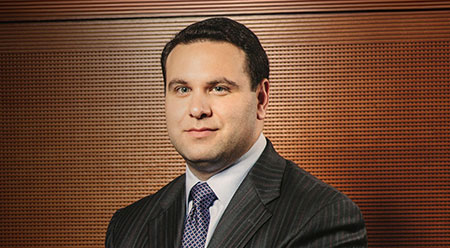
Meet Michael Fienman
From first-time charges to high-stakes, career-threatening cases, Michael brings the same level of preparation, strategy, and relentless advocacy to every matter.
Michael H. Fienman