

You’ve built your career on trust, trust from your employer, and, depending on your profession, the U.S. government. However, when the Defense Counterintelligence and Security Agency (DCSA) opens an investigation into your background, that trust can disappear overnight. What begins as a “routine review” can quickly escalate into a clearance suspension, loss of employment, or permanent ineligibility for future federal positions.
A single misstep, like an unreported arrest, unexplained debt, or inconsistent disclosure on your SF-86, can trigger a Statement of Reasons (SOR) and jeopardize your clearance and livelihood.
Attorney Michael Fienman helps individuals across Pennsylvania and New Jersey not only defend against DCSA investigations but also proactively prevent the charges, licensing issues, or administrative findings that often lead to clearance problems in the first place. When issues arise, Fienman Defense steps in to mitigate risk, craft strategic SOR responses, and protect careers before an adverse adjudication occurs. Before you speak with an investigator or submit documentation, talk to a professional license attorney and criminal defense counsel who understands how these investigations unfold and how to protect your future.
Defense Counterintelligence & Security Agency Investigations
The Defense Counterintelligence and Security Agency (DCSA) conducts these investigations on behalf of the Department of Defense and other federal agencies to determine whether individuals can be trusted to access classified or sensitive information.
A DCSA investigation is a lot more than another HR review. A federal security clearance background investigation examines your judgment, reliability, and trustworthiness under the Adjudicative Guidelines for Determining Eligibility for Access to Classified Information.
If you hold or are applying for a clearance, DCSA’s reach extends beyond your employment file. Agents review your criminal history, credit reports, tax records, and personal conduct. They interview neighbors, supervisors, and even personal references. For many professionals, these investigations often flow through DCSA’s Boyers Processing Facility or the Slippery Rock Security Academy, where much of the federal clearance training and adjudication data processing occurs.
What Triggers a DCSA Investigation & What’s at Stake?
A DCSA case can begin in several ways. Some are expected and routine, based on your position, but others happen unexpectedly:
- Initial Clearance Application or Renewal – Submitting or updating your SF-85 or SF-86 (e-QIP) form automatically initiates a background investigation.
- Continuous Vetting Alerts – Under DCSA’s modernized “Continuous Evaluation” program, automated monitoring systems constantly flag new arrests, credit delinquencies, foreign travel, or suspicious activity mid-clearance cycle.
- Self-Reporting or Employer Notification – You must self-report issues like criminal charges, substance use, or foreign contacts. Failure to disclose can create a separate personal conduct violation under Guideline E.
- Referral from Another Agency or Inspector General – Allegations of misconduct, fraud, or data misuse reported by another agency often trigger a DCSA review.
- Security Incident or Policy Violation – Even an unintentional mishandling of sensitive data, failure to follow protocol, or IT policy breach can spark a Guideline K or M security investigation.
In each of these, the agency’s goal is to assess whether you remain suitable for access to sensitive information. Even if you’ve held a clearance for years without issue, any new development since your last investigation can trigger doubts about your reliability or judgment. For example, if you’ve had new criminal charges, arrests, or citations, even for misdemeanors like a DUI, disorderly conduct, or minor drug possession, they will automatically be cross-referenced in DCSA’s databases and may raise concerns.
DCSA Doesn’t Need a Conviction to Act
An arrest alone can raise concerns if it suggests poor judgment or vulnerability to coercion. But criminal charges aren’t the only red flags. A civil judgment or bankruptcy may signal financial instability under Guideline F (Financial Considerations). A disciplinary action or administrative complaint can prompt scrutiny under Guideline E (Personal Conduct) or Guideline K (Security Violations). Even a referral from a security officer or Inspector General—for issues like data misuse or workplace misconduct—can trigger a full reinvestigation.
Delaying or failing to self-report these events often makes matters worse. DCSA views late disclosure as a potential integrity issue—sometimes more damaging than the incident itself. In short, investigators look for patterns, not just isolated mistakes. A single, well-documented lapse can often be mitigated, but repeated omissions or poor judgment may convince adjudicators that you no longer meet the “whole-person” reliability standard required for national security positions.
The Consequences of a DCSA Investigation
Because clearance eligibility is a condition of employment for federal workers, military personnel, and government contractors, losing your clearance often means losing your job. But the ripple effects don’t stop there. The process affects your income, reputation, and future eligibility for classified or sensitive roles.
- Loss or Suspension of Clearance – Your clearance can be suspended or revoked at any stage if adjudicators see a potential risk. Once suspended, you’re barred from sensitive projects and often placed on unpaid leave—frequently leading to termination.
- Job Termination or Reassignment – For contractors and federal employees, clearance eligibility is a condition of employment. Losing it means immediate job loss or reassignment, with denials shared across federal systems like DISS, limiting future opportunities.
- Long-Term Career Ineligibility – A clearance denial or revocation follows you permanently in government databases. You must usually wait 12 months to reapply and only after proving full mitigation (e.g., debt repayment, expunged charges, or completed treatment).
- Reputational Damage – Even before an outcome, news of a DCSA investigation can spread internally. Being “under review” often delays promotions, reduces access to key projects, and raises doubts about your reliability, sometimes long after the case closes.
- Financial Fallout – Clearance loss often means sudden unemployment and loss of benefits. If your case involves Guideline F (Financial Considerations), income disruption can worsen debt, reinforcing the issue under scrutiny.
- Criminal or Administrative Exposure – A DCSA investigation can uncover conduct with criminal or disciplinary consequences. False statements on your SF-86, mishandling classified materials, or omissions during questioning can trigger violations under Guideline K or Guideline E, and even federal charges under 18 U.S.C. § 1001. Even without prosecution, these findings stay on record and can permanently affect your clearance eligibility.
- Emotional & Psychological Strain – Investigations often last months, creating financial stress, uncertainty, and sleepless nights. Fienman Defense helps clients regain stability, clarity, and control through strategic legal planning.
- Continuous Vetting Exposure – Even after resolution, Continuous Vetting (CV) constantly reviews your background. New debts, charges, or foreign ties can reopen your case. Early legal guidance helps prevent new flags before they escalate.
Things move quickly once your clearance is under review, and mistakes can’t always be undone. Whether the concern involves a criminal charge, financial issue, or SF-86 error, your first response is critical. Attorney Michael Fienman helps individuals in PA and NJ to address these issues early, preventing minor problems from escalating and strategically mitigating risk if a Statement of Reasons (SOR) has already been issued.
What Happens During a Clearance Investigation?
A DCSA investigation begins with sponsorship and e-QIP submission, where you complete the SF-86 to initiate the process. From there, DCSA investigators conduct background checks, interviews, and record verifications covering your employment, finances, and personal conduct.
Once the investigation concludes, adjudicators review findings under the Adjudicative Guidelines, weighing risk and mitigation evidence. Even after approval, you remain subject to Continuous Vetting (CV) that flags new arrests, debts, or foreign contacts. Under the new 2025 personal appearance rule, some applicants must appear before an adjudicator with limited rights and no witnesses.
How to Respond to a DCSA Investigation in PA or NJ?
Once you’re notified of security concerns, your response path determines your chances of success. A written response works best when the facts are clear, and documentation can fully mitigate issues. A personal appearance, a less formal meeting with limited procedural rights, allows you to clarify concerns but offers little room for legal argument. For contractors, a DOHA hearing provides the strongest due-process protections, including witness testimony, evidence submission, and cross-examination.
Choosing the right path requires careful judgment; an attorney experienced in DCSA adjudication and DOHA appeals can assess your case and decide whether early resolution or a formal hearing best protects your clearance.
Your Rights in a DCSA Investigation
Your rights during a DCSA investigation depend on who employs you and how the inquiry is classified.
Contractors fall under Executive Order 10865, which guarantees written notice of the allegations, access to evidence, and the right to a full DOHA hearing where you can present witnesses and evidence. Federal employees and service members, governed by Executive Order 12968, have fewer pre-decision protections, usually limited to submitting a written response or requesting a personal appearance before an adjudicator.
If you’re questioned during an investigation, it’s crucial to know whether a Garrity or Kalkines warning applies. Under a Garrity warning, your statements are voluntary and may be used in a criminal case. Under Kalkines, your statements are compelled and can’t be used criminally, but they can still support administrative discipline.
Finally, if you’re a federal or unionized employee, you may have Weingarten rights to request a union representative during any investigatory meeting that could lead to discipline. Always confirm the nature of the meeting before you speak; if there’s any uncertainty, consult an attorney first.
What to Do About a DCSA Investigation?
When facing a DCSA investigation, your first move should be to align your response with the specific Adjudicative Guideline cited, using DCSA’s own language to show understanding and credibility. Back every statement with verifiable evidence such as financial records, treatment documentation, or performance evaluations, and build a clear timeline of mitigation that demonstrates progress over time.
Strong references from supervisors or cleared colleagues can further strengthen your case. Above all, stay consistent. Contradictions or overstatements can harm your credibility more than the underlying issue itself.
A skilled defense attorney also makes a difference. In addition to helping you respond appropriately and preparing your criminal defense, if necessary, a lawyer can help control the narrative to the DCSA. By identifying which guidelines to challenge and which to mitigate, your lawyer can craft targeted Statement of Reasons (SOR) responses, manage Privacy Act and FOIA requests, and prepare you for personal appearances or DOHA hearings with precision to avoid future issues.
Frequently Asked Questions About DCSA Investigations
Can I lose my job if my clearance is suspended?
Yes. For federal employees and contractors, security clearance eligibility is a condition of employment. A suspension typically results in removal from sensitive duties, unpaid leave, or termination—especially for contractor positions tied to classified projects.
How serious is a Statement of Reasons (SOR)?
Very serious. An SOR means adjudicators found potential disqualifying issues in your background. You must respond within the given timeframe, addressing each allegation with documentation and context. A thorough, legally guided response can often reverse or mitigate the concerns before final adjudication.
Do I need a lawyer to respond to a DCSA investigation?
While not required, legal representation is strongly recommended. An attorney experienced in DCSA and DOHA matters can interpret the guidelines, craft a strategic response, and help prevent you from making statements that worsen your case.
What’s the difference between a DCSA investigation and a DOHA hearing?
A DCSA investigation gathers facts about your eligibility, while a DOHA hearing is a formal appeal process where contractors can present evidence, witnesses, and cross-examination. You can defend your clearance before an administrative judge under Executive Order 10865.
How long does a DCSA investigation take?
The timeline varies by complexity, but most investigations last three to nine months. If additional information or interviews are required, it can extend longer. Continuous Vetting cases may remain open while ongoing monitoring continues.
What happens if I make a mistake on my SF-86?
A mistake can be corrected, but failure to disclose or false statements can trigger Guideline E (Personal Conduct) concerns or criminal liability under 18 U.S.C. § 1001. Always correct errors promptly and document your explanation through counsel.
Can I recover my clearance after it’s revoked?
Possibly. Most individuals must wait 12 months to reapply and show that the original issues have been fully resolved through repayment, treatment, expungement, or other documented mitigation. A lawyer can guide you through the reinstatement process and improve your chances of approval.
Protect Your Clearance in PA or NJ with a Proven Defense
If you’re facing a DCSA investigation in Pennsylvania or New Jersey, you’re not just dealing with routine HR stuff. You’re navigating a federal process that can end your clearance, cost you your job, and damage your long-term eligibility. The difference between a manageable issue and a career-ending decision is how you respond.
Since 2010, attorney Michael Fienman has helped clearance holders across Pennsylvania and New Jersey, including Philadelphia, Montgomery, Delaware, and Bucks County, as well as Harrisburg, York, Hershey, Scranton, and Pittsburgh, prevent issues from becoming SORs, mitigate risks once they arise, and defend eligibility through written submissions, personal appearances, and DOHA hearings. From federal employees and service members to defense contractors and sensitive-position professionals, Fienman Defense provides discreet, strategic representation tailored to DCSA.
Call Fienman Defense Today about a DCSA Investigation
Whether an investigator has contacted you, received a Statement of Reasons, or was told your meeting is “just a formality,” don’t go it alone. Get clear on your rights, protect your credibility, and choose the response path that safeguards your future.
Call (215) 839-9529 or DCSA. Your clearance, career, and reputation are worth defending—start today.
View All BlogsClient Reviews
Experience was excellent, Mike answered any and all questions I had and handled everything. Made me feel like I got my money's worth, an experienced attorney who is good at his job.
Danile D.
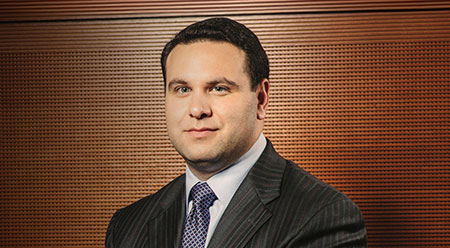
Meet Michael Fienman
From first-time charges to high-stakes, career-threatening cases, Michael brings the same level of preparation, strategy, and relentless advocacy to every matter.
Michael H. Fienman