

Facing allegations of insurance fraud in Pennsylvania can be a confusing and stressful experience. The Attorney General’s Office (AGO) takes insurance fraud seriously, and even unintentional mistakes can lead to criminal investigations.
Understanding how these investigations work and what challenges defendants commonly face is critical to protecting your rights and building an effective defense.
What Constitutes Insurance Fraud in Pennsylvania
Insurance fraud can take many forms, and the AGO prosecutes cases ranging from exaggerated claims to complex schemes. Some common examples include:
- False claims for personal injury after an accident.
- Exaggeration of damages or medical expenses on claims.
- Staging accidents or intentionally causing loss to collect insurance benefits.
- Workers’ compensation fraud, such as claiming injuries that never occurred or misrepresenting the nature of an injury.
Even unintentional misstatements on insurance applications can trigger investigations. Pennsylvania law views knowingly submitting false information with the intent to receive insurance benefits as a criminal act. Penalties can include fines, restitution, probation, or even imprisonment, depending on the severity of the offense.
How the Attorney General’s Office Investigates Insurance Fraud
The AGO is Pennsylvania’s lead agency in prosecuting insurance fraud. Investigations often begin with a referral from an insurance company or a tip from the public. Once an investigation is opened, the AGO may employ several methods to gather evidence, including:
- Reviewing insurance records, medical bills, and claim history.
- Interviewing witnesses, claimants, and medical providers.
- Subpoenaing documents and records from relevant parties.
- Coordinating with law enforcement agencies when necessary.
Investigations can be lengthy and complex. Defendants often feel the pressure of formal interviews or subpoenas, and missteps at this stage can have significant consequences. That’s why having experienced legal counsel early in the process is essential.
Common Issues Defendants Face in Insurance Fraud Investigations
Misunderstanding the Scope of the Investigation
One of the most frequent challenges is underestimating the far-reaching impact of an AGO investigation. Investigators may review years of insurance claims, employment records, and medical documentation to identify patterns and trends. Even minor inconsistencies can raise questions and potentially be used against you.
Pressure to Provide Statements Without Counsel
The AGO may request interviews or statements from claimants or other parties involved in the case. While it may feel easier to cooperate, speaking without legal representation can inadvertently lead to admissions or statements taken out of context. Defendants have the right to legal counsel before speaking with investigators, and exercising that right is crucial to protecting their defense.
Documentation Challenges
Insurance fraud investigations are heavily reliant on documentation. Missing receipts, incomplete medical records, or discrepancies in paperwork can create suspicion. Defendants often struggle to reconstruct accurate timelines or provide comprehensive evidence, which can complicate their defense strategy.
Navigating Subpoenas and Legal Demands
The AGO has the authority to issue subpoenas for documents, records, and testimony. Failing to respond properly to a subpoena can result in contempt charges or additional legal complications. Defendants frequently face the challenge of producing requested records while protecting sensitive or privileged information.
Emotional and Financial Stress
Facing an investigation for insurance fraud can be emotionally and financially draining. Concerns about criminal liability, potential job consequences, and reputational harm often create significant stress, which can affect decision-making. Legal representation can help mitigate these pressures by providing guidance and ensuring defendants understand their rights.
How a Criminal Defense Attorney Can Help
Defending against allegations of insurance fraud requires a careful and strategic approach. Experienced defense attorneys can assist in several ways:
- Evaluating the case early: Identifying weaknesses in the investigation or evidence can allow for proactive defense strategies.
- Communicating with the AGO: Attorneys can manage correspondence, interviews, and negotiations with investigators, ensuring defendants do not make self-incriminating statements.
- Document review and preparation: Defense counsel can help organize records, gather supporting evidence, and clarify discrepancies in documentation.
- Plea negotiations or trial representation: If charges are filed, attorneys can advocate for reduced charges, alternative sentencing, or a strong defense at trial.
Early legal guidance often makes the difference between a manageable resolution and a protracted criminal case.
Tips for Individuals Under Investigation
If you are under investigation for insurance fraud by the AGO, there are several steps you should take immediately:
- Do not provide statements without an attorney. Anything you say may be used in court.
- Preserve all relevant documents. Maintain records of claims, correspondence, medical documents, and receipts to ensure accurate documentation.
- Avoid discussing the case publicly or on social media. Statements online can be misinterpreted and potentially used against you.
- Seek experienced legal counsel promptly. Early intervention enables your attorney to guide interactions with the AGO and develop an effective defense strategy.
Understanding Potential Penalties
Penalties for insurance fraud in Pennsylvania vary depending on the value of the fraudulent claim and the nature of the offense. Common consequences include:
- Fines ranging from hundreds to tens of thousands of dollars.
- Restitution to the insurance company or other parties.
- Probation or community service in some cases.
- Imprisonment for more serious or repeated offenses.
- Long-term effects on employment, professional licensing, and reputation.
Even minor allegations can escalate if not appropriately addressed, making early and effective legal defense critical.
Protecting Your Rights During an Investigation
Navigating an AGO insurance fraud investigation requires a balance of cooperation and caution. Protecting your rights does not mean obstructing justice, but it does mean ensuring that your statements, actions, and records are handled correctly. With the guidance of skilled legal counsel, you can:
- Avoid unintentional admissions of guilt.
- Ensure compliance with subpoenas while protecting privileged information.
- Develop a straightforward, factual narrative that supports your defense.
- Strategically challenge weak or insufficient evidence.
A strong defense is built on preparation, clarity, and a careful understanding of Pennsylvania’s insurance fraud laws.
Take Control with Fienman Defense
Insurance fraud investigations by the Attorney General’s Office can feel overwhelming, but you do not have to face them alone. Attorney Mike Fienman at Fienman Defense in Pennsylvania focuses on protecting your rights, preserving your reputation, and guiding you through every step of the process.
From evaluating the investigation to preparing a defense strategy, they provide calm, experienced guidance when it matters most.
If you are facing an insurance fraud investigation or have concerns about potential claims, call Fienman Defense at (215) 839-9529 or contact us online for a confidential consultation. Early action can make a significant difference in the outcome of your case.
Attorney Michael H. Fienman represents clients in criminal and traffic matters throughout Pennsylvania and New Jersey. Mr. Fienman has completed the same DWI detection training as most law enforcement officers, and he holds a certificate in Standardized Field Sobriety Testing approved by the National Highway Traffic Safety Administration (NHTSA). As an experienced trial attorney, he understand your rights and is a zealous advocate with a reputation for relentlessly defending clients in state court, federal court, and before administrative agencies.
Attorney Fienman is licensed to practice before the Supreme Court of Pennsylvania, the Supreme Court of New Jersey, the US District Court for the District of New Jersey, and the US District Court for the Eastern District of Pennsylvania.
View All BlogsClient Reviews
Experience was excellent, Mike answered any and all questions I had and handled everything. Made me feel like I got my money's worth, an experienced attorney who is good at his job.
Danile D.
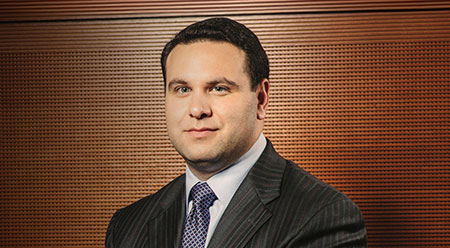
Meet Michael Fienman
From first-time charges to high-stakes, career-threatening cases, Michael brings the same level of preparation, strategy, and relentless advocacy to every matter.
Michael H. Fienman