
The First Amendment protects your right to protest, whether you’re marching for justice, raising your voice against inequality, or standing up for your community. But as recent demonstrations in Philadelphia and across the nation have shown, exercising your rights can still result in confrontation, arrest, or confusion about what’s legal and what’s not. Understanding your rights as a protester — and how to respond if they’re violated — is critical.
If you or someone you know is arrested while protesting in Philadelphia, call (215) 839-9529 ASAP. At Fienman Defense, a Philadelphia defense lawyer can explain the situation, help you get released, and deal with the charges so you get justice.
Your Right to Protest in Pennsylvania
Under the First Amendment, you have the right to assemble, express your opinions, and protest peacefully. However, law enforcement may impose certain restrictions for public safety. These include time, place, and manner regulations, but they must apply equally to everyone and not discriminate based on your message.
Where Can You Legally Protest?
- Public Spaces: Streets, sidewalks, parks, and plazas are generally protected spaces for protest, as long as you don’t obstruct pedestrian or vehicle traffic.
- Government Buildings: You can protest outside courthouses and city halls, provided you aren’t blocking entrances or disrupting official business.
- Private Property: You must have permission. Without it, protests on private land can result in trespassing charges.
Do You Need a Permit to protest in Philly?
You typically don’t need a permit to protest on sidewalks or parks unless the demonstration uses amplified sound or involves large crowds that could disrupt traffic. However, if you’re planning a march that blocks streets or requires a police escort, a permit is usually required. If you’re unsure, check with the City of Philadelphia’s event permit office or consult an attorney.
Your Rights When Interacting with Police
- You have the right to remain silent. You must provide your name if asked, but you do not have to answer questions about your protest activities.
- You have the right to refuse a search. Unless you’re under arrest or officers have probable cause, you can decline a search of your person or belongings.
- You have the right to record. You may photograph or film officers in public spaces, as long as you’re not interfering with their duties.
What If Police Try to Disperse the Crowd?
Police may only disperse a protest if there is a legitimate and immediate threat to public safety. If they do, they must clearly announce the order, give protesters a chance to comply, and offer a safe route to exit. Tear gas, rubber bullets, or mass arrests without warning may violate your rights.
If You’re Stopped or Arrested at a Protest in Philly
- Remain calm, keep your hands visible, and don’t argue or resist.
- Ask if you are free to leave. If yes, walk away calmly. If no, ask what you are being arrested for.
- Do not answer questions or sign anything without a lawyer.
- Clearly say, “I want to remain silent. I want a lawyer.”
Can the Police Search or Take Your Phone?
Police can perform a pat-down if they believe you’re armed and can search your belongings after arrest. However, without a warrant, they cannot search or delete your phone’s contents. If they demand access or seize your phone, state that you do not consent to a search and ask for legal counsel.
Documenting Police Misconduct
If you witness or experience abuse, write down or record the following as soon as possible:
- Officer names, badge numbers, and patrol car numbers
- Exact time, date, and location of the incident
- Details about what was said or done
- Names and contact info of witnesses
This information can be essential in filing a complaint, defending against criminal charges, or pursuing civil rights litigation.
What You Say Matters at a Protest
You may feel angry or emotional, but be mindful of your words. Threats, inciting violence, or aggressive language can lead to criminal charges. Stay calm and speak respectfully, even if officers are not doing the same.
Know Before You Go: Protest Safety Tips
- Write down an emergency contact and attorney phone number (such as (215) 839-9529)
- Bring water, ID, and a mask — and avoid carrying unnecessary items
- Keep your phone charged and protected with a password
- Stay with a group and know your surroundings
Charged While Protesting in Philadelphia? Call Attorney Fienman
If you were arrested in a protest, plan to attend a demonstration, and want legal help ready, an experienced and highly skilled defense lawyer is available. Attorney Michael Fienman has extensive experience defending Philadelphians facing criminal charges and understands how to challenge improper arrests or excessive police force during protests. We’re here to protect your rights, reputation, and record.
Call attorney Mike Fienman at (215) 839-9529 for a free consultation.
View All BlogsClient Reviews
Experience was excellent, Mike answered any and all questions I had and handled everything. Made me feel like I got my money's worth, an experienced attorney who is good at his job.
Danile D.
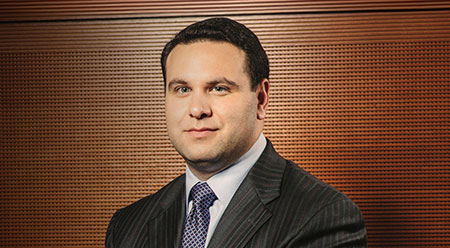
Meet Michael Fienman
From first-time charges to high-stakes, career-threatening cases, Michael brings the same level of preparation, strategy, and relentless advocacy to every matter.
Michael H. Fienman