

At Fienman Defense, Attorney Michael H. Fienman has more than 15 years of litigation experience and has participated in or represented clients in more than 1,000 depositions. He provides tailored deposition preparation and limited-scope representation for non-party witnesses, including subpoena review, mock questioning, and legal representation during testimony.
What Does It Mean to Receive a Deposition Subpoena in Pennsylvania?
A subpoena is a legal document that requires a person to appear at a specified time and place to provide testimony. Depending on the subpoena, you may also be required to produce documents, electronic records, communications, photographs, or other materials.
If you are not a party to the lawsuit, receiving a subpoena can raise several questions:
- Why do the attorneys want to question me?
- What subjects can they ask about?
- Do I have to answer every question?
- What if I do not remember what happened?
- Could my testimony affect me personally or professionally?
- What documents am I required to provide?
- Should I have my own lawyer?
The answers depend on the subpoena, the underlying case, and your relationship to the events or people involved.
The attorneys handling the lawsuit represent their own clients. Even if they explain the deposition process or treat you professionally, their role is not to provide independent legal advice about your interests.
You can retain your own attorney to review the subpoena, explain your position, prepare you for questioning, and advise you about concerns that may arise from your testimony.
How a Pennsylvania Deposition Lawyer Can Help a Non-Party Witness
Attorney Fienman’s representation begins with understanding your role in the case and identifying the issues most likely to arise during questioning.
Depending on the engagement, preparation may include reviewing the complaint, subpoena, document requests, and other relevant materials; discussing your involvement in the events at issue; identifying likely areas of examination; and addressing questions about the process.
A witness may have direct knowledge of one narrow issue but know very little about the rest of the lawsuit. Another person may have been subpoenaed because the attorneys are investigating workplace practices, identifying additional witnesses, or determining what happened before or after an incident.
Understanding why the attorneys are asking questions can help you approach the deposition with a clearer sense of what to expect.
Reviewing the Subpoena and Document Requests
A deposition subpoena may require more than your attendance and testimony. It may also direct you to produce documents or other information within your possession, custody, or control.
Attorney Fienman can review the subpoena and requested materials with you, explain the nature of the requests, and address questions about your obligations. This is particularly useful if you have never received a subpoena and are unfamiliar with the terminology or requirements.
Some subpoenas raise separate legal issues, including disputes about the scope of requested information or the need for court protection. Those matters may require negotiation with the issuing attorney, motion practice, or a separate engagement beyond the scope of the standard deposition-preparation service.
Understanding Your Role in the Litigation
Being subpoenaed does not necessarily mean you witnessed the event at issue or that anyone believes you did something wrong.
An attorney may want to learn what you observed, what you knew at a particular time, who else was present, or how certain procedures were followed. You may also be asked about information you learned from other people after an incident.
Preparation helps you distinguish your personal knowledge and recollection from assumptions, later information, and matters you do not know.
Individualized Deposition Preparation and Mock Questioning
Effective deposition preparation involves more than reviewing general rules or being told to tell the truth. A witness can be honest and still have difficulty answering questions accurately and clearly under sustained examination.
For example, a witness may guess when unsure, volunteer information that was not requested, agree with a question that contains an inaccurate assumption, or confuse personal recollection with something learned from another person. Long or imprecise answers can also create misunderstandings and lead to additional questioning.
Attorney Fienman tailors preparation to the witness, the case, and the likely areas of examination. After reviewing the relevant materials and discussing the facts with the client, he typically provides written deposition-preparation materials and conducts an individualized preparation session, often by Zoom. The session may include mock questioning designed to approximate the types of questions the witness can expect.
During mock questioning, Attorney Fienman evaluates whether the witness understands each question, answers it directly, avoids speculation, and recognizes when clarification is needed. He also identifies difficult subjects that may require additional discussion or practice.
The objective is not to script testimony or suggest what facts to provide. It is to help the witness listen carefully, distinguish between knowledge and assumptions, and communicate truthful answers accurately.
One preparation session may be sufficient in some cases. More complicated or sensitive matters may warrant additional preparation.
Why Answering the Question Asked Matters
Depositions differ from ordinary conversations. People often provide background information, fill pauses, or anticipate what someone wants to know. During sworn testimony, those habits can lead to unnecessary follow-up questions or to the introduction of subjects that were not previously part of the examination.
A witness should listen to the complete question, ensure it is understood, and answer truthfully without volunteering any unrelated information. Answers should be complete, but they do not need to include speculation or unnecessary explanation.
Preparation can help witnesses recognize when to clarify a question, when to explain that they do not remember, and when they should avoid guessing.
The goal is accurate testimony, not artificially short answers or an attempt to avoid legitimate questions.
Preparing for Sensitive or Traumatic Deposition Questions
Some depositions involve personal relationships, workplace allegations, medical history, financial matters, professional decisions, serious accidents, or other subjects that may be difficult to discuss.
Answering questions about these events under oath can be challenging, particularly when several unfamiliar attorneys are present, and the witness has not previously discussed the details in a structured setting.
Individualized preparation provides an opportunity to review the relevant history, identify likely areas of questioning, and practice discussing difficult subjects before the deposition.
In one matter, Attorney Fienman represented a non-party employee who was subpoenaed regarding serious and personally sensitive allegations involving events from several years earlier. Preparation included reviewing the relevant history, helping the witness refresh her recollection, and practicing questions concerning the most difficult subjects. The process also brought important objective information relevant to the allegations into focus.
In another matter, Attorney Fienman prepared a young non-party witness who had been involved in a catastrophic automobile accident in which other people were killed. The witness continued to find the accident difficult to discuss and had received limited substantive deposition preparation through counsel provided by an institution involved in the matter.
Attorney Fienman worked through the chronology of the accident with the witness, identified likely areas of questioning, and helped distinguish actual recollection from information learned afterward. The witness had an opportunity to address difficult subjects in a private preparation setting before testifying.
These examples illustrate why deposition preparation should reflect the individual witness and the circumstances of the case. The aim is to help the witness give accurate, focused testimony without encountering every difficult subject for the first time during questioning.
Should You Have Your Own Lawyer at a Deposition?
Not every non-party witness needs an attorney to attend a deposition. However, independent representation can be valuable when the testimony involves sensitive issues, potential personal or professional exposure, complicated document requests, or questions about the witness’s rights and obligations.
The attorneys conducting and defending the underlying lawsuit represent their respective clients. Your attorney represents your interests.
When retained to attend the deposition, Attorney Fienman can monitor the questioning, make appropriate objections, and address issues involving the witness’s interests when necessary. Counsel can also help ensure that concerns are raised appropriately if questioning becomes argumentative or creates confusion about the question.
Having your own lawyer does not mean the lawyer answers questions for you. You remain responsible for your testimony. Your attorney’s role is to provide legal representation and guidance, not to substitute a different account of the facts.
Preparation is particularly important because a witness may feel pressure to answer immediately, accept an attorney’s characterization of events, or guess when the answer is unknown.
A prepared witness understands that it is appropriate to ask for clarification when a question is unclear and to say “I don’t know” or “I don’t remember” when those answers are accurate. The witness should not manufacture knowledge simply because an attorney expects an answer.
Can You Hire a Lawyer Just for Deposition Preparation?
Yes. Limited-scope representation can be structured around the assistance you need. Some witnesses want an attorney to review the subpoena and case materials, answer legal questions, provide written preparation materials, and conduct mock questioning. They may decide not to retain counsel to attend the deposition.
Other witnesses prefer preparation and representation through the completion of the deposition.
Attorney Fienman uses a written limited-scope fee agreement to define the services included in the engagement. The agreement helps establish what the representation covers and whether additional services would require a separate arrangement.
The appropriate scope depends on the circumstances of the case, the witness’s concerns, and the assistance needed before and during testimony.
What If You Need to Reschedule the Deposition?
A subpoena may set a deposition date that conflicts with an existing obligation or creates another scheduling problem. Where appropriate and within the agreed scope of representation, Attorney Fienman may communicate with the scheduling attorney to explore whether the parties can agree on an alternative date.
A scheduling issue may be straightforward, but a contested subpoena or significant dispute with opposing counsel can require additional legal work. Negotiations beyond the agreed scope, court applications, and motion practice may require a separate engagement.
What If the Subpoena Requests Too Much Information?
Receiving a subpoena does not necessarily mean that every request is beyond question. Pennsylvania civil procedure provides mechanisms for seeking appropriate relief from subpoenas and discovery requests under qualifying circumstances.
You should not simply ignore a subpoena because you believe a request is improper. Instead, have an attorney review the document and assess whether there is a basis to raise an objection, seek a protective order, or pursue another available remedy.
If the issue requires negotiation with opposing counsel or court intervention, that work may fall outside the standard deposition-preparation engagement and require a separate agreement.
Confidential Legal Advice Before You Testify
A non-party witness may have concerns that are difficult to discuss with the attorneys handling the underlying lawsuit. These may involve potentially damaging information, employment concerns, professional consequences, personal exposure, or uncertainty about how a particular fact relates to the case.
Discussing those concerns privately with your own attorney before the deposition gives you an opportunity to obtain legal advice and understand the issues that may arise.
Confidential attorney-client communications made for the purpose of obtaining legal advice are generally protected by the attorney-client privilege, subject to applicable limits and exceptions. The existence and scope of that protection depend on the circumstances.
Addressing difficult facts during preparation also gives counsel an opportunity to identify issues that may require additional analysis before the witness testifies.
Who Can Benefit From Non-Party Deposition Representation?
Non-party deposition representation may be appropriate for people subpoenaed in a wide range of Pennsylvania civil cases, including:
- Current and former employees with information about workplace events, policies, or practices.
- Business owners and professionals with knowledge of commercial disputes or business transactions.
- Licensed professionals whose decisions or conduct are relevant to a lawsuit.
- Accident witnesses who observed an incident or have information about the events surrounding it.
- Family members and acquaintances who have information about a person involved in litigation.
- Other third parties who have been asked to testify or produce documents in a civil case.
The key question is not whether you filed the lawsuit or are being sued. It is whether you understand your obligations, the role you play in the case, and the potential implications of your testimony.
When Should You Contact a Pennsylvania Deposition Lawyer?
If you have received a subpoena, consider speaking with an attorney well before the scheduled deposition whenever possible. Reviewing the subpoena, understanding your role, discussing relevant facts, and conducting meaningful preparation take time.
Waiting until the day before a deposition may limit the opportunity to review the case materials, identify potential concerns, and practice answering questions.
An initial review can help determine whether you need preparation alone, representation during the deposition, or a separate engagement to address a legal dispute concerning the subpoena.
Why Hire Michael H. Fienman for Deposition Preparation?
Attorney Michael H. Fienman has more than 15 years of litigation experience and has participated in or represented clients in more than 1,000 depositions. His background includes plaintiff-side and defense-side litigation, negligence matters, complex commercial disputes, civil and criminal litigation, trials, expert testimony, and discovery.
That experience informs how he prepares witnesses. Effective preparation requires understanding not only the deposition rules but also the purpose behind an attorney’s questions, the facts counsel may be trying to establish, and the ways an answer may affect subsequent examination.
Attorney Fienman approaches preparation from the perspective of a litigator who has taken, defended, prepared for, and handled litigation involving deposition testimony. He works with witnesses to identify likely areas of examination, recognize potential sources of confusion, and address difficult subjects before the deposition.
His approach also accounts for the fact that witnesses have different needs. Some benefit from direct feedback and repeated practice. Others need a more deliberate approach when the testimony involves traumatic events or highly personal information.
The representation is tailored to the witness and the issues presented, with the scope of services defined in the engagement agreement.
Frequently Asked Questions About Deposition Representation in Pennsylvania
Do I need a lawyer if I am only a witness at a deposition?
Not necessarily, but being a non-party does not mean your testimony is unimportant. An attorney can review your subpoena, explain your role, help you prepare for questioning, address legal concerns, and represent your interests during the deposition if included in the engagement.
Can I hire a lawyer just to prepare me for a deposition?
Yes. Limited-scope representation can include reviewing relevant case materials, answering your questions, providing written preparation materials, and conducting mock questioning without necessarily including attendance at the deposition. The appropriate scope depends on your circumstances and needs.
What should I do if I do not remember the answer to a deposition question?
Do not guess. If you genuinely do not remember something, you should say so rather than speculate. Preparation can help you distinguish your actual recollection from assumptions or information you learned from other people.
Can I ask an attorney to rephrase a deposition question?
Yes. If you do not understand a question, you can ask for clarification before answering. A witness should not guess at what an attorney means or answer a different question from the one asked.
Can my lawyer object during my deposition?
Yes. An attorney representing a witness can make appropriate objections under the applicable procedural rules. The effect of an objection depends on the circumstances, and not every objection means the witness can refuse to answer.
What should I do if a subpoena requires me to produce documents?
Review the subpoena and document requests carefully rather than assuming you understand their full scope. An attorney can help you evaluate the request and address questions about your obligations. If the requests present a significant legal dispute, additional representation may be necessary.
Can I challenge a deposition subpoena in Pennsylvania?
Potentially. Pennsylvania civil procedure provides mechanisms for challenging subpoenas or seeking protective relief in appropriate circumstances. Whether a particular challenge is available depends on the subpoena, the requested information, and the facts of the case.
Could I become a defendant because of my deposition testimony?
The deposition itself does not make you a defendant. However, information developed during discovery could lead a party to investigate potential claims against you or seek to add you to the lawsuit where legally and procedurally appropriate. If you are concerned about personal exposure, discuss those concerns with your own attorney before testifying.
Client Reviews
Experience was excellent, Mike answered any and all questions I had and handled everything. Made me feel like I got my money's worth, an experienced attorney who is good at his job.
Danile D.
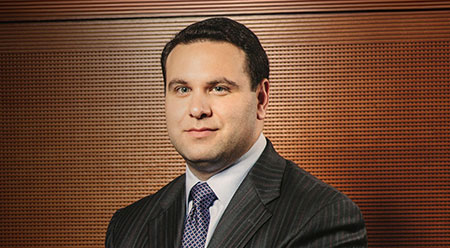
Meet Michael Fienman
From first-time charges to high-stakes, career-threatening cases, Michael brings the same level of preparation, strategy, and relentless advocacy to every matter.
Michael H. Fienman