

An EUO is more formal than an ordinary conversation with an insurance adjuster. The insurer may ask about the loss, supporting documents, property ownership and value, prior statements, and other issues relevant to its coverage decision.
Attorney Fienman offers limited-scope EUO representation. Depending on the engagement, services may include reviewing the demand and claim file, identifying likely areas of questioning, providing written preparation materials, conducting mock questioning, and representing the policyholder during the examination.
What Is an Examination Under Oath?
An examination under oath is a formal questioning of an insured under oath as part of an insurance company’s investigation. The obligation to participate generally arises from provisions in the insurance policy, and the specific requirements depend on the policy language and the circumstances of the claim.
An EUO is commonly conducted by an attorney representing the insurer, with a court reporter recording the testimony. Depending on the claim, questions may concern:
- How and when the loss occurred.
- The condition of the property and the extent of the damage.
- Repair estimates, invoices, and replacement costs.
- Ownership and value of damaged or stolen property.
- Purchase records, appraisals, and inventories.
- Prior insurance claims and statements to adjusters.
- Documents submitted in support of the claim.
- Business operations, financial records, or interruption losses.
The insurer may use the testimony to clarify information, investigate specific questions, or evaluate whether the claimed loss falls within the policy’s coverage. Because the answers are given under oath, preparation can help the policyholder understand the process and the records likely to be discussed.
Why Did My Insurance Company Request an EUO?
There is no single reason an insurer requests an examination under oath. The carrier may need additional information about a substantial claim, have questions about the amount claimed, or want to investigate a specific issue before making a coverage or payment decision.
For example, a fire claim may generate questions about the cause of the fire, structural damage, repair estimates, or the value of personal belongings. A theft claim may involve ownership, purchase history, appraisals, or the circumstances of the reported theft. A commercial claim may require testimony about damaged equipment, business records, lost income, or the length of a business interruption.
An EUO demand does not automatically mean the insurer believes the policyholder committed fraud. However, it does mean the carrier wants formal testimony as part of its investigation. Reviewing the demand, policy, and relevant claim records can help identify likely issues and the preparation needed.
Do I Need a Lawyer for an Insurance Examination Under Oath?
The insurer’s attorney may have reviewed the claim file, prior statements, photographs, estimates, and other documents before asking the first question. The policyholder must respond truthfully, understand the questions, and distinguish personal recollection from information learned from other sources.
When attendance is included in the engagement, Attorney Fienman represents the policyholder during the EUO. He can monitor the questioning, raise appropriate objections, request clarification, address privilege issues where warranted, and confer privately with the client when appropriate.
An attorney cannot answer factual questions on the policyholder’s behalf. The client remains responsible for providing truthful testimony. However, reviewing the claim and preparing for likely questions can help the policyholder identify issues before the examination rather than encountering them for the first time under oath.
Whether legal representation is appropriate depends on the claim, the issues under investigation, and the policyholder’s circumstances. For substantial, complicated, or closely scrutinized claims, legal preparation may be particularly useful.
Can I Hire Michael H. Fienman Just for the EUO?
Yes. Attorney Fienman accepts limited-scope engagements focused on EUO preparation and representation. The written engagement agreement defines the services included, allowing a policyholder to obtain legal assistance for the examination without automatically retaining the firm to handle the entire insurance claim.
Depending on the engagement, services may include reviewing the demand and claim records, discussing the claim’s history and the insurer’s concerns, providing written preparation materials, conducting mock questioning, and attending the examination.
The engagement does not automatically include negotiating the entire claim, handling later document requests, pursuing a coverage dispute, or filing a lawsuit. After the EUO, the policyholder can continue working with a public adjuster, handle the remaining claim independently, retain another attorney, or discuss additional representation with Attorney Fienman. Any work beyond the agreed scope requires a separate agreement.
What Is Included in Limited-Scope EUO Representation?
The preparation process depends on the claim, the volume of records, and the issues under investigation. Attorney Fienman reviews the available documentation to identify potential areas of questioning, inconsistencies, and issues that may require additional explanation.
He then tailors preparation to the policyholder’s circumstances, helping the client understand the EUO process and respond to questions accurately and clearly.
Review of the EUO Demand and Claim File
Attorney Fienman reviews the demand and relevant claim materials to identify issues that may arise during questioning. Depending on the matter, records may include the insurance policy, proof of loss, insurer correspondence, public-adjuster materials, photographs, police or fire reports, contractor estimates, inventories, receipts, appraisals, repair records, and prior statements.
A straightforward auto physical-damage claim may involve a relatively limited file, while a substantial fire, theft, or commercial claim may require review of extensive documentation. The volume and complexity of the records can affect the scope and fee for the engagement.
Attorney-Client Conference and Written Preparation Materials
After reviewing the materials, Attorney Fienman conducts a detailed telephone or video conference with the client. The discussion addresses the history of the loss, communications with the insurer, information already submitted, the client’s recollection, and factual issues likely to arise.
Attorney Fienman also provides written preparation materials covering practical principles for sworn testimony. These may include listening to the entire question, answering accurately and directly, asking for clarification when necessary, avoiding guesses, and distinguishing personal knowledge from information supplied by others.
The goal is not to script testimony or tell the client what to say. It is to help the policyholder understand the process and provide truthful, accurate answers.
Mock EUO Preparation Sessions
Attorney Fienman may conduct one or two mock preparation sessions, usually by video conference. He asks questions similar to those insurance counsel may raise and discusses the client’s responses.
These sessions can identify subjects that require further review. For example, the client’s recollection may differ from a prior statement, an estimate may have changed, or a document may contain information the client does not remember personally. Addressing these issues beforehand can help the client understand the available records and prepare to answer accurately.
Representation During the EUO
When included in the engagement, Attorney Fienman attends the examination as counsel for the policyholder. He can monitor questioning, raise appropriate objections, request clarification, address privilege issues where warranted, and confer privately with the client when appropriate.
The insurer’s attorney represents the carrier’s interests. Attorney Fienman represents the policyholder, while the client remains responsible for answering factual questions truthfully.
What Types of Insurance Claims Can Involve an EUO?
Attorney Fienman represents policyholders in examinations under oath involving a range of first-party insurance claims. The questions depend on the type of loss, policy provisions, amount claimed, and issues the insurer is investigating.
Residential Property, Fire, and Water Damage Claims
Residential EUOs may involve damage to a home, personal belongings, or other insured property. Questions may concern the condition of the property, circumstances of the loss, repair estimates, damaged contents, temporary repairs, or records submitted to support the claim.
Fire claims may involve the cause of the fire, structural damage, remediation, reconstruction, and the value of belongings. Water-damage claims may require testimony about the source of the water, the extent of the damage, mitigation work, and repairs claimed. Photographs, contractor reports, inspection findings, and invoices may be important to understanding the loss.
Theft and High-Value Personal Property Claims
Theft claims may involve ownership, purchase history, value, authenticity, provenance, and the circumstances of the reported theft. Relevant records may include receipts, appraisals, photographs, inventories, and police reports. Claims involving valuable property can require careful review of the records supporting ownership and value.
Commercial Property, Business Interruption, and Auto Claims
Commercial EUOs may involve damage to buildings, equipment, inventory, or other business property. Questions may also concern repair costs, restoration timelines, business records, lost income, continuing expenses, and the effect of the loss on business operations.
Some first-party auto physical-damage claims may also involve an EUO. Questions can concern the reported incident, vehicle damage, repair estimates, ownership, prior damage, or information submitted to the insurer. Whether a limited-scope engagement is appropriate depends on the claim’s value, complexity, and issues under investigation.
What If the Insurance Company Is Investigating Fraud or Misrepresentation?
Some EUOs involve questions about whether property existed, whether the insured owned it, whether an item was valued accurately, whether the loss occurred as reported, or whether claim documents were accurate.
An inconsistency, mistake, or disagreement does not automatically establish fraud. The significance of a statement or document depends on the facts, its materiality, and the circumstances in which it was provided. However, questions involving potential misrepresentation can have consequences beyond payment of the insurance claim.
Attorney Fienman’s background includes criminal defense, civil litigation, and insurance-related matters. That experience may be relevant when an insurer’s investigation raises concerns about potential criminal exposure. The issues must be evaluated based on the specific facts, not assumptions about the insurer’s motives.
What If I Previously Made an Inaccurate or Inconsistent Statement?
Discuss the issue with your attorney before the EUO. Prior statements may appear in recorded interviews, claim forms, proofs of loss, inventories, police reports, or correspondence with the insurer.
An inconsistency can have different explanations. A person may have misunderstood a question, relied on information supplied by someone else, or provided an estimate that later changed as more information became available. The significance depends on what was said, the surrounding circumstances, and the claim.
Attorney Fienman can review relevant statements and records with the client before the examination. The purpose is to understand the available information and identify issues requiring clarification, not to change the facts or create a new version of events.
What If I Already Have a Public Adjuster?
You can still retain Attorney Fienman for EUO preparation and representation. A public adjuster may have prepared estimates, inventories, photographs, claim submissions, and correspondence with the insurer. Those materials may be useful when reviewing the claim and preparing for the examination.
The attorney and public adjuster have different roles. A public adjuster may continue assisting with the claim while the attorney provides legal representation for the EUO under the terms of the engagement. Hiring Attorney Fienman does not automatically require replacing the public adjuster or transferring responsibility for the entire claim.
Can Fienman Defense Represent a Business at an EUO?
Potentially, yes. In a commercial insurance matter, the business may be the insured, while an owner, officer, employee, or other representative provides testimony on its behalf.
Representation of the business does not automatically mean the attorney also represents the individual witness personally. Potential conflicts and professional-responsibility issues must be evaluated before accepting the engagement.
Are EUOs Conducted In Person or Remotely?
EUOs may be conducted in person or remotely, depending on the examination arrangements. Attorney Fienman represents clients in remote and in-person EUOs throughout Pennsylvania, subject to the circumstances and scope of the engagement.
Regardless of the format, the policyholder is providing sworn testimony as part of the insurer’s investigation. Preparation should account for the relevant documents, anticipated questions, and examination requirements.
How Much Does an EUO Lawyer Cost?
Attorney Fienman generally offers EUO representation on a flat-fee basis. The fee depends on the complexity of the claim, the volume of documents, the issues under investigation, the preparation required, the anticipated length of the examination, and any travel or other circumstances affecting the engagement.
The scope of representation and flat fee are established in advance through a written engagement agreement. This allows the client to understand the cost of the defined EUO services without automatically committing to open-ended legal work on the underlying claim.
Additional services, such as negotiations, coverage analysis, or litigation, require separate consideration and an additional agreement.
Why Hire Michael H. Fienman for an Examination Under Oath?
An EUO requires an understanding of the claim, the documents supporting it, and the issues the insurer appears to be investigating. Preparation also involves identifying potential inconsistencies, helping the client understand the process, and addressing legal issues that may arise during questioning.
Michael H. Fienman has more than 15 years of experience in civil and criminal litigation. His work has included complex commercial litigation, insurance-related disputes, discovery, trials, criminal investigations, witness preparation, and depositions.
His approach is focused on the specific engagement: review the file, identify the issues, prepare the client, practice likely areas of questioning, and represent the policyholder during the examination when attendance is included.
When Should I Hire an Attorney for My EUO?
Contact an attorney as soon as practical after receiving the demand. Preparation takes time, particularly when the claim involves extensive records, high-value property, or complex business losses. Waiting until shortly before the examination may limit the time available to review documents and address difficult subjects.
When contacting Fienman Defense, have the EUO demand letter, scheduled date and location or remote details, type of claim, and a general sense of the claim file available. This information can help Attorney Fienman evaluate the anticipated scope of work, availability, and appropriate fee.
Frequently Asked Questions About Insurance Examinations Under Oath
What does EUO mean in an insurance claim?
EUO stands for examination under oath. It is a formal, sworn questioning conducted as part of an insurer’s investigation, generally under provisions in the insurance policy.
Is an EUO the same as a deposition?
No. Both involve sworn testimony, but an EUO generally arises from the insurance policy and claim investigation rather than discovery in a pending lawsuit.
Does an EUO mean my insurance company thinks I committed fraud?
Not necessarily. An insurer may request an EUO to clarify information, evaluate a substantial claim, or investigate coverage questions. The demand alone does not establish fraud.
Can I hire Michael H. Fienman only for the EUO?
Yes. Attorney Fienman accepts limited-scope engagements for EUO preparation and representation. The agreement defines the services included and does not automatically require the firm to handle the underlying claim.
Is EUO representation a flat fee?
Generally, yes. The fee depends on the claim’s complexity, document volume, preparation required, and anticipated examination. The scope and fee are established in a written engagement agreement.
What happens after the EUO?
Under the standard limited-scope engagement, representation generally concludes when the examination and other agreed services are complete. Further document requests, negotiations, coverage work, or litigation require a separate agreement.
Client Reviews
Experience was excellent, Mike answered any and all questions I had and handled everything. Made me feel like I got my money's worth, an experienced attorney who is good at his job.
Danile D.
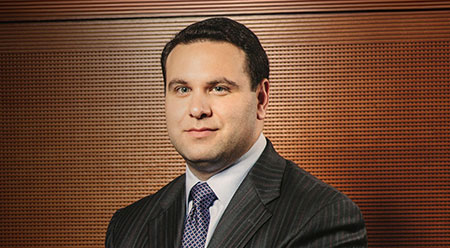
Meet Michael Fienman
From first-time charges to high-stakes, career-threatening cases, Michael brings the same level of preparation, strategy, and relentless advocacy to every matter.
Michael H. Fienman