

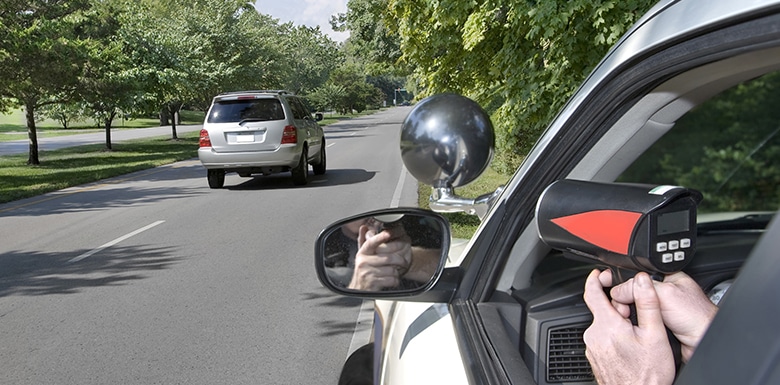
For decades, Pennsylvania was the only state that barred local police from using radar for traffic enforcement. However, that changed with recent legislation that expanded radar use beyond the Pennsylvania State Police. Now, more municipalities across the Commonwealth are deploying radar to enforce speed limits — a move that’s reignited debates over safety, fairness, and revenue generation.
If you drive in Pennsylvania, especially in Philadelphia, Bucks, Montgomery, or Delaware County, understanding how radar enforcement works and how to fight a radar-based speeding ticket is essential for protecting your driving record and wallet.
Why Radar Enforcement Was Controversial in Pennsylvania
The radar ban originally stemmed from concerns that small towns might misuse radar as a tool for generating revenue, creating so-called “speed traps.” In the past, disparities in officer training across departments also made state officials cautious about handing radar devices to every local police force.
p>Over time, training requirements improved, but the fear of financial abuse persisted. Despite that, lobbying from police departments and lawmakers who argued radar would reduce accidents eventually led to the passage of Senate Bill 607, which allowed local radar use under certain conditions.
What Does the Law Say About Radar Use by Local Police?
Under Pennsylvania’s updated rules, radar use by municipal police comes with guardrails aimed at preventing misuse:
- Only officers who complete certified radar training (and are re-certified every 3 years) may operate radar devices.
- Municipalities must post clear “Radar Enforced” signs at community entry points.
- Officers must operate from marked police vehicles to issue radar-based tickets.
- A citation can only be issued if a driver exceeds the posted speed limit by 10 mph or more, except in school or work zones.
- Revenue caps apply: To discourage for-profit enforcement, only a portion of a municipality’s annual budget can come from radar-generated fines.
Pros of Radar Enforcement
Proponents argue that radar offers several advantages over other speed detection tools like VASCAR or pacing:
- Higher accuracy and faster detection, especially on highways or in areas with high-speed traffic.
- Improved officer safety, as radar allows speed monitoring from a distance without stepping into traffic.
- Cost savings in the long term due to fewer equipment setups or roadside checkpoints.
- Better enforcement in dangerous corridors where speeding poses serious risks but traditional methods are hard to deploy.
But There Are Still Major Concerns
Despite improvements in policy and oversight, radar enforcement raises legitimate questions:
- Radar guns are not infallible. Devices must be regularly calibrated, and improper use or mechanical issues can lead to false readings.
- Revenue incentives remain. Even with caps, municipalities still benefit financially from radar tickets. This raises concerns about whether enforcement is focused on safety or generating funds.
- Points and insurance hikes can result from even minor tickets, impacting drivers long after the fine is paid.
- Due process is often overlooked. Many drivers simply pay their fines without realizing they may have valid legal defenses or procedural errors in their favor.
What Happens If You Get a Radar-Based Speeding Ticket?
Speeding tickets based on radar can carry serious consequences, including fines, license points, and increased insurance premiums. In Pennsylvania, a typical speeding ticket fine starts at $35, but fees, surcharges, and additional penalties can push the cost well over $150 — or more, depending on how fast you were going.
More importantly, the long-term impact on your license and insurance rates may cost you thousands over time. That’s why fighting a questionable radar ticket is worth considering — especially if:
- The radar device wasn’t properly calibrated or certified at the time of use.
- The officer operating the radar lacked updated or valid training certification.
- You were clocked at a speed barely over the limit and contest the conditions or accuracy.
- You believe the radar picked up another vehicle in close proximity.
- The ticketing officer failed to comply with state requirements — such as issuing a ticket only if you were 10+ mph over the posted limit.
In these situations, a knowledgeable traffic defense lawyer may be able to have the citation dismissed or reduced, saving you points and keeping your record clean.
Speak to a Lawyer about Your Traffic Ticket
Attorney Michael Fienman aggressively and effectively represents individuals in Philadelphia, Bucks County, Delaware County, and Montgomery County who have been accused of crimes in state court, federal court, and administrative agencies. Representative cases include driver licensing matters, traffic violations, DUI, summary offenses, misdemeanors, major felonies, and white-collar criminal charges.
Call (215) 839-9529 or request a free consultation today.
View All BlogsClient Reviews
Experience was excellent, Mike answered any and all questions I had and handled everything. Made me feel like I got my money's worth, an experienced attorney who is good at his job.
Danile D.

Meet Michael Fienman
From first-time charges to high-stakes, career-threatening cases, Michael brings the same level of preparation, strategy, and relentless advocacy to every matter.
Michael H. Fienman