
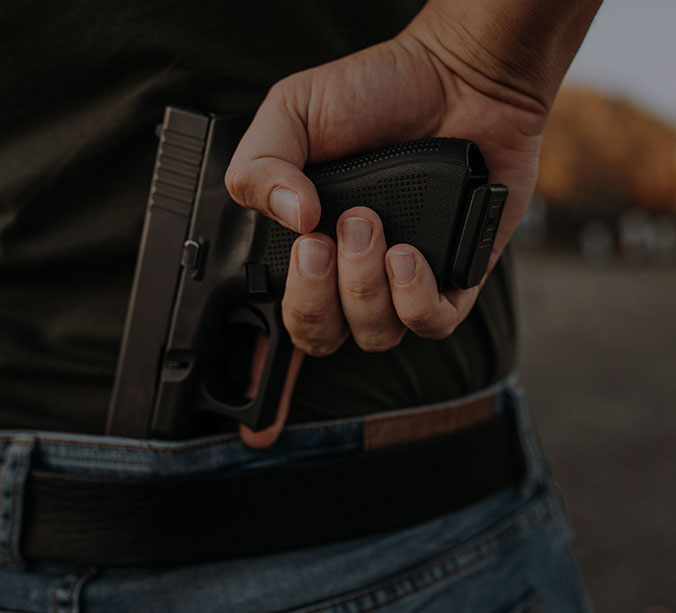
Pennsylvania has some of the strictest gun regulations in the country, and violations can carry serious consequences. The law governs who can possess a firearm, where guns can be taken, and the types of weapons that are legal. Certain individuals, such as convicted felons, those with restraining orders, or individuals with specific mental health histories, are prohibited from owning or carrying firearms.
In addition, Pennsylvania law distinguishes between different types of gun offenses, including illegal possession, carrying without a license, carrying in prohibited locations, and the use of a firearm during the commission of another crime. Each offense carries its own penalties, which can range from fines to lengthy prison sentences, depending on the severity of the violation and whether aggravating factors, such as a prior criminal record or the use of a weapon in a violent act, are involved.
Understanding these laws and their application to your specific situation is crucial. An experienced gun charge attorney can evaluate the specific circumstances of your case and help develop a strategy to protect your rights and minimize potential consequences.
Pennsylvania Firearms and Weapons Charges Overview
Firearms and weapons violations in Pennsylvania are taken very seriously and can result in significant criminal penalties. The state has a range of laws regulating who can possess a weapon, where it can be carried, and the types of firearms or instruments that are allowed. At Fienman Defense, we provide experienced legal guidance to defend clients against a variety of firearm and weapons charges throughout Philadelphia and the surrounding counties.
Possessing Criminal Instruments
Pennsylvania law prohibits possessing criminal instruments with the intent to use them unlawfully. You could face up to five years in prison if you are caught using a dangerous weapon or body armor for criminal purposes. Even if the weapon is unloaded or appears non-functional, you may still be charged because others perceive it as operable and threatening.
Possession of a Firearm Prohibited
Certain individuals are legally barred from owning or possessing firearms, including those subject to a Protection from Abuse (PFA) order, convicted felons, dishonorably discharged veterans, and undocumented immigrants. Carrying a gun in violation of these restrictions is a serious offense that can result in a felony charge and substantial penalties. Violations often have long-term consequences for your rights to own or carry weapons in the future.
Carrying a Firearm Without a License
It is generally illegal in Pennsylvania to carry a firearm concealed on your person or in a vehicle without a valid license, except in limited circumstances. Violating this law is considered a felony and can result in substantial prison time. A licensed firearms attorney can evaluate whether your situation qualifies for any exceptions or defenses under the law.
Making Repairs to or Selling an Offensive Weapon
The state strictly prohibits owning, repairing, or transferring offensive weapons, including bombs, grenades, machine guns, sawed-off shotguns, switchblades, or other weapons without a common lawful purpose. Violations can result in up to five years in prison, reflecting the seriousness of these offenses. Even handling or maintaining these items improperly can carry criminal liability.
Possession of a Firearm With an Altered or Obliterated Number
Firearms must have a serial number, except for certain antique guns. Possessing a weapon with a removed or altered serial number is a first-degree misdemeanor and can carry penalties of up to five years in prison. Law enforcement takes this offense seriously because altering serial numbers is often associated with illegal trafficking or criminal activity.
Possession of a Weapon on School Property
Carrying a firearm or other dangerous weapon on the property of a primary or secondary school is considered a second-degree felony in Pennsylvania. Convictions can result in up to ten years of incarceration. The law aims to protect students and school staff, and even unintentional possession can lead to serious legal consequences.
Penalties & Consequences for Gun Charges in Pennsylvania
Gun charges in Pennsylvania carry serious legal consequences that can affect your life long after a case is resolved. Depending on the type of offense, the circumstances involved, and your criminal history, penalties can range from fines and probation to lengthy prison sentences. Convictions may also result in a permanent criminal record, which can impact employment opportunities, professional licensing, and your ability to own or carry firearms in the future legally.
Key penalties and consequences include:
- Prison time and fines: Misdemeanor charges often carry shorter sentences and smaller fines, while felony convictions can lead to significant prison terms.
- Increased penalties for aggravating factors: Using a firearm during the commission of another crime, prior convictions, or possession in restricted locations like schools can substantially increase potential penalties.
- Permanent criminal record: A conviction can remain on your record indefinitely, affecting future employment, housing, and other opportunities.
- Loss of civil rights and firearm privileges: Convictions may result in losing the right to vote, hold certain professional licenses, or legally possess firearms.
- Collateral consequences: Other long-term effects can include challenges in securing loans, housing, or professional certifications.
Due to the serious and lasting impact of these consequences, it is crucial to have an experienced firearms attorney who can help mitigate potential outcomes and protect your rights.
Common Defenses to Gun Charges in Pennsylvania
Defending against gun charges requires a thorough understanding of both the law and the circumstances surrounding your case. An experienced attorney can investigate the facts, identify weaknesses in the prosecution’s evidence, and develop a strategy tailored to your situation. Common defenses may include:
- Illegal search or seizure: If law enforcement obtained the firearm or evidence without proper legal authority, it may be possible to challenge its admissibility in court.
- Mistaken identity or ownership: In some cases, the firearm may belong to someone else, or you may not have had knowledge of its presence.
- Lack of intent: Many firearm offenses require proof that you intended to use or possess the weapon unlawfully; showing a lack of intent can be a critical defense.
- Constitutional or procedural violations: Violations of your constitutional rights during the investigation or arrest can sometimes result in dismissal or reduction of charges.
- Affirmative defenses: Depending on the circumstances, defenses such as self-defense or legal possession under exceptions to state law may apply.
Having a knowledgeable gun charge attorney can make a significant difference in the outcome of your case, potentially reducing or eliminating penalties.
Who Prosecutes Gun Charges in Philadelphia?
Gun charges in Philadelphia are typically prosecuted by the Philadelphia District Attorney’s Office, which handles all criminal matters within the city. In cases that involve federal offenses, such as interstate gun trafficking or possession of certain restricted weapons, the U.S. Attorney’s Office may take the lead.
Your case may involve multiple layers of prosecution, making it essential to have an attorney who is familiar with both local and federal procedures. Fienman Defense works closely with clients to navigate the complexities of the legal system, ensuring their rights are protected at every stage of prosecution.
Why Choose Fienman Defense for Gun Charges
Facing a gun charge in Philadelphia can have serious, life-altering consequences, and securing experienced legal representation is critical. Attorney Michael H. Fienman has handled a wide range of firearms and weapons cases, from minor possession violations to complex felony charges involving restricted or altered weapons. He is committed to protecting your rights and guiding you through every stage of the legal process.
Michael H. Fienman focuses on:
- Personalized attention: Every case has unique circumstances, and Michael takes the time to fully understand your situation, your history, and the specific details of the charges. This enables him to develop a customized defense strategy tailored to your needs and objectives.
- Aggressive advocacy: He is skilled at challenging the prosecution’s evidence, negotiating with prosecutors, and seeking reduced charges or alternative resolutions. Michael fights for your rights both in and out of the courtroom.
- Comprehensive legal knowledge: Firearms cases often involve both state and federal laws. Michael has extensive experience navigating the complex legal landscape and understands how to address the nuances of multiple jurisdictions.
- Protecting your future: Beyond immediate criminal consequences, gun charges can affect employment, professional licensing, firearm rights, and personal freedom. Michael works to minimize long-term impacts and safeguard your rights and opportunities.
- Support and guidance: Facing criminal charges can be stressful and overwhelming. Michael provides clear guidance, regular updates, and prompt answers to your questions, helping you feel informed and supported throughout your case.
With Michael H. Fienman on your side, you gain more than just an attorney. You gain a dedicated advocate focused on achieving the best possible outcome for your situation.
Frequently Asked Questions About Gun Charges in Philadelphia
What Are the Most Common Gun Charges in Pennsylvania?
Common gun charges include illegal possession of a firearm, carrying a concealed weapon without a license, possession on school property, and possession of altered or prohibited weapons. Each charge carries its own penalties, and some may be classified as felonies, which can result in lengthy prison sentences. Understanding the specific charge you face is essential to building an effective defense.
Can I Go to Jail for a First-Time Gun Offense?
Yes. Even first-time offenses can result in incarceration, especially if aggravating factors are present, such as possession in a restricted location or prior criminal history. Penalties vary depending on the charge; some misdemeanors can carry a sentence of up to five years, while felonies may result in even longer sentences.
What Happens If I Am Caught With a Firearm While on Probation?
Being caught with a firearm while on probation can lead to probation violations, new criminal charges, and additional prison time. Probation conditions are strict, and possession of any weapon may be treated as a serious breach of those conditions. An attorney can help address these violations and work to minimize additional penalties.
Can I Challenge the Evidence in a Gun Charge Case?
Yes. Many gun cases involve legal technicalities, including improper searches, seizures, or handling of evidence. A skilled attorney can review how the evidence was obtained and challenge any violations of your constitutional rights, which may result in reduced or dismissed charges.
How Can an Attorney Help if I’m Facing Gun Charges?
An experienced firearms attorney can evaluate your case, identify potential defenses, negotiate with prosecutors, and represent you in court. They work to protect your rights, minimize penalties, and seek the best possible outcome given your circumstances. Having professional guidance can make a critical difference in the resolution of your case.
Protect Your Rights. Call Fienman Defense for Gun Charges.
Gun charges can put your freedom, career, and future at serious risk. When the authorities are building a case against you, you need an attorney who can challenge evidence, defend your rights, and fight for the best possible outcome.
Contact Michael H. Fienman today at (215) 839-9529 or advice@philadelphiacriminalattorney.com to schedule a free, confidential consultation and learn how he can provide skilled legal representation for gun charges in Philadelphia and the surrounding counties.