

Attorney Michael H. Fienman represents individuals throughout Pennsylvania whose reputations, careers, and professional standing are threatened by criminal allegations. Effective representation requires more than defending against criminal charges. It requires a coordinated strategy designed to address the broader consequences that often accompany them.
If criminal allegations threaten your professional future, contact Fienman Defense at (610) 828-3338 or through our online form to discuss your circumstances and the legal options available.
How Criminal Charges Can Affect Your Reputation and Career
Many people assume reputational damage occurs only after a conviction. In reality, the impact often begins much earlier.
Criminal charges may become public records. Employers may conduct background checks. Licensing boards may initiate independent investigations. Clients, colleagues, and professional organizations may learn of allegations before the criminal process has run its course.
Even when charges are ultimately dismissed or result in an acquittal, the consequences can continue long afterward. Common areas affected by criminal allegations include:
Employment Opportunities
Many employers conduct pre-employment and ongoing background checks. An arrest or a pending criminal charge may raise concerns regardless of the case’s eventual outcome. Certain employers may place employees on administrative leave, suspend security clearances, or initiate internal reviews while criminal proceedings remain pending.
Professional Licensing
Doctors, nurses, attorneys, teachers, accountants, contractors, and other licensed professionals may face scrutiny from regulatory agencies and licensing boards. These proceedings often operate independently from the criminal court system and may continue even if charges are reduced, dismissed, or resolved through diversionary programs.
Business Relationships
Business owners and executives often depend on professional credibility and trust. Criminal allegations can affect vendor relationships, contractual agreements, investment opportunities, and client retention.
Educational Opportunities
Students and academic professionals may face disciplinary proceedings, scholarship concerns, enrollment issues, or restrictions related to campus policies and professional programs. Criminal allegations can also affect eligibility for internships, graduate programs, professional certifications, and future career opportunities.
Community and Professional Standing
Media coverage, online reporting, and public records can create long-term reputational concerns. In some cases, allegations may remain publicly accessible even after a favorable court outcome. These issues can affect personal relationships, professional networking opportunities, and public perception within a community or industry.
Criminal Defense Representation Must Address More Than the Charges
Successfully defending a criminal case involves more than obtaining a favorable result in court. For many individuals, the criminal justice system is only one of several challenges that begin after an arrest, investigation, or criminal charge. Employers may conduct internal reviews.
Licensing boards may open disciplinary proceedings. Professional organizations may initiate ethics investigations. Government agencies may evaluate security clearances, certifications, or eligibility for certain positions.
Parallel Proceedings Outside of the Criminal Court System
These proceedings often operate independently of the criminal courts and may move forward even before a criminal case is resolved.
As a result, individuals may face consequences long before any determination of guilt is made. A pending charge can affect employment, professional licenses, business relationships, educational opportunities, and future career advancement. A comprehensive legal strategy should account for each of these concerns from the outset.
Dual Focus of Criminal Defense Representation
At Fienman Defense, representation focuses on both:
- Defending against the underlying criminal allegations.
- Addressing the professional and reputational consequences that may arise while the case is pending.
This often includes evaluating reporting obligations, responding to licensing inquiries, preparing for administrative proceedings, and helping clients navigate communications with employers, regulatory agencies, and professional organizations.
Early intervention can be critical. Decisions made during the earliest stages of a criminal case may affect parallel investigations and disciplinary proceedings. Statements provided to employers, licensing boards, or investigators may later become relevant in other proceedings.
By approaching the matter strategically from the beginning, clients are often better positioned to protect both their legal interests and their professional future.
Who May Need Reputation Defense Representation?
Professionals across many industries may face significant consequences following an arrest, a criminal investigation, or a formal charge. Individuals whose careers depend upon professional licenses, public trust, or specialized credentials often have the most at stake.
Physicians and Healthcare Professionals
Doctors, physicians, and other healthcare providers may face scrutiny from hospitals, credentialing committees, insurance providers, employers, and licensing boards. Certain allegations may trigger mandatory reporting requirements or administrative investigations that proceed separately from the criminal case.
Nurses and Licensed Medical Professionals
Nurses, physician assistants, pharmacists, therapists, and other licensed healthcare professionals may be required to disclose criminal matters to employers or licensing authorities. Board investigations can result in disciplinary action even while criminal proceedings remain pending.
Attorneys and Legal Professionals
Lawyers accused of criminal misconduct may face inquiries into professional responsibility, disciplinary investigations, and reporting obligations. Criminal allegations can have significant implications for bar admission, licensure, and professional standing.
Teachers and Educators
Teachers, professors, school administrators, and other educational professionals may face employment actions, licensing concerns, and disciplinary reviews following an arrest or criminal investigation. School districts and licensing agencies frequently conduct independent evaluations of alleged misconduct.
Law Enforcement Officers
Police officers, correctional officers, federal agents, and other public safety professionals often face parallel internal affairs investigations, administrative proceedings, and departmental reviews. These matters may have career consequences independent of any criminal charges.
Contractors and Licensed Tradespeople
Electricians, plumbers, HVAC professionals, real estate professionals, and other licensed tradespeople often depend on maintaining professional credentials and good standing. Criminal allegations can affect licensing status, contract eligibility, and future business opportunities.
Business Owners and Executives
Business leaders frequently face reputational concerns that extend beyond the courtroom. Criminal allegations may affect relationships with clients, vendors, investors, lenders, and business partners. In some cases, public allegations alone can create significant operational and financial challenges.
Students and Individuals Pursuing Professional Careers
College students, graduate students, and individuals preparing to enter licensed professions may face disciplinary proceedings, scholarship concerns, internship restrictions, or obstacles to future professional licensure. Addressing these issues early can be essential to protecting future opportunities.
Criminal Allegations Often Trigger Additional Investigations
A criminal case may be only one part of a much larger problem. Employers, licensing boards, government agencies, and professional organizations may conduct their own investigations after learning of criminal allegations.
These proceedings may involve:
- Internal employment investigations
- Professional licensing reviews
- Administrative disciplinary proceedings
- Credentialing investigations
- Regulatory agency inquiries
- Professional conduct reviews
Statements made during these proceedings may have consequences beyond the immediate investigation. Legal guidance early in the process can help protect your interests and ensure responses are handled appropriately.
Strategies for Protecting Your Reputation During a Criminal Case
Every situation requires an individualized approach. Depending on the circumstances, reputation defense may involve several concurrent legal strategies.
Strategic Case Management
Limiting unnecessary exposure while criminal proceedings are pending can help reduce additional reputational harm. Careful management of court proceedings, filings, communications, and disclosure obligations may play an important role in protecting professional standing.
Communication With Employers and Licensing Boards
Some professionals have legal or contractual obligations to report arrests or criminal charges. An attorney can help evaluate reporting requirements, prepare responses, and communicate with employers or licensing authorities when appropriate.
Pursuing Dismissals and Favorable Resolutions
The most effective way to limit long-term reputational damage is often to achieve the strongest possible outcome in the underlying criminal case.
This may involve:
- Challenging unlawfully obtained evidence
- Filing pretrial motions
- Negotiating reductions in charges
- Seeking diversionary programs
- Pursuing dismissals where appropriate
Expungement and Record Clearing Options
Pennsylvania law provides opportunities in certain situations to remove or limit public access to criminal records. Depending on eligibility, options may include:
- Expungement of non-conviction records
- ARD-related expungements
- Limited access orders
- Sealing of qualifying records
Exploring these options may be an important part of a long-term reputation protection strategy.
Why Choose Fienman Defense?
When criminal allegations threaten your reputation, career, or professional license, the decisions made early in the process can have lasting consequences. Effective representation requires more than a defense against the underlying charges. It requires a thorough understanding of how criminal proceedings can affect employment, licensing, professional standing, and future opportunities.
Attorney Michael H. Fienman develops defense strategies that account for both the criminal case and the collateral consequences that often accompany it. By addressing these issues together, clients are better positioned to protect their legal interests and professional futures.
Early Intervention Before Consequences Escalate
Many reputational and professional consequences begin long before a criminal case reaches a resolution. Employers may initiate internal investigations, licensing boards may request information, and professional organizations may begin reviewing allegations shortly after an arrest or charge becomes known.
Early legal representation provides an opportunity to evaluate potential risks, address reporting obligations, and respond strategically to developing circumstances. Taking action at the outset can help prevent avoidable complications that may affect your career or professional standing.
Experience Representing Licensed Professionals
Attorney Michael H. Fienman regularly represents professionals whose careers, licenses, and livelihoods may be affected by criminal allegations. He understands that many clients face concerns extending well beyond the courtroom, including disciplinary proceedings, licensing reviews, and employment-related consequences.
Professionals often operate under unique reporting requirements and regulatory obligations. Effective representation requires understanding how these systems work and how criminal allegations may affect a client’s ability to continue practicing in their chosen field.
A Coordinated Legal Strategy
Criminal charges often create challenges that extend beyond the criminal justice system. In many cases, clients must address concerns simultaneously with employers, licensing boards, credentialing organizations, regulatory agencies, or internal investigators.
Rather than treating these matters as separate issues, Fienman Defense develops coordinated strategies that consider how decisions made in one proceeding may affect another. This approach helps ensure that legal decisions are made with a full understanding of their potential impact on both the criminal case and the client’s professional future.
Direct Attorney Representation
Clients work directly with attorney Michael H. Fienman throughout the representation. Criminal allegations that threaten a person’s reputation, career, or professional license often require careful analysis and individualized legal guidance rather than a one-size-fits-all approach.
From the initial consultation through the resolution of the case, clients receive direct communication, strategic advice, and representation tailored to their specific circumstances, profession, and long-term objectives. Every case is approached with an understanding that the outcome may affect far more than the criminal charges alone.
Frequently Asked Questions About Reputation Defense in Pennsylvania
Can criminal charges affect my professional license even if I am not convicted?
Yes. Many licensing boards operate independently of the criminal courts and may initiate their own investigations based solely on an arrest or allegation. These proceedings often focus on professional conduct standards rather than the outcome of the criminal case, meaning discipline can occur even without a conviction.
Will employers be able to see pending criminal charges?
In many cases, yes. Pending charges may appear in background checks, become part of public court records, or be disclosed through mandatory reporting requirements, depending on the profession or employer policies. Some employers also initiate internal reviews once they become aware of an arrest or ongoing investigation.
What happens if charges are dismissed?
A dismissal generally resolves the criminal case in your favor, but it does not automatically remove all records associated with the arrest or proceedings. Those records may remain accessible unless expungement or other post-resolution relief is pursued where eligible under Pennsylvania law.
Do I have to report criminal charges to my licensing board?
It depends on the requirements of the specific licensing board and profession. Many regulatory agencies require disclosure of arrests, charges, or investigations within a defined timeframe, even if the case has not been resolved. Failure to comply with reporting obligations can itself result in disciplinary action.
Can an attorney communicate with my employer or licensing board?
Yes. In many situations, counsel can assist with preparing formal responses, communicating with employers, and interacting with licensing boards or regulatory agencies. This can help ensure that information is presented accurately and that responses do not inadvertently create additional legal or professional risk.
How soon should I contact an attorney after being charged?
Legal representation should be involved as early as possible, ideally before any statements are made to employers, investigators, or licensing authorities. Early intervention allows counsel to evaluate reporting obligations, address immediate risks, and develop a coordinated strategy for both the criminal case and any related proceedings.
Speak With a Pennsylvania Reputation Defense Lawyer
Criminal allegations can affect your career, professional license, employment opportunities, business relationships, and future prospects long before a case reaches a resolution.
Attorney Michael H. Fienman represents individuals throughout Pennsylvania facing criminal investigations and charges that threaten their professional standing and reputation.
If you are concerned about the impact a criminal case may have on your career or future, contact Fienman Defense at (610) 828-3338 or through our online form to discuss your situation and available legal options.
Client Reviews
Experience was excellent, Mike answered any and all questions I had and handled everything. Made me feel like I got my money's worth, an experienced attorney who is good at his job.
Danile D.
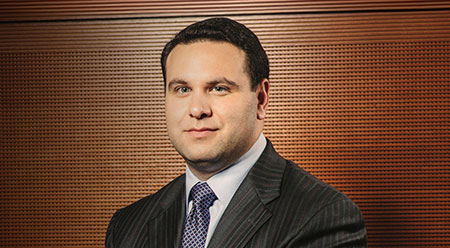
Meet Michael Fienman
From first-time charges to high-stakes, career-threatening cases, Michael brings the same level of preparation, strategy, and relentless advocacy to every matter.
Michael H. Fienman