

A professional licensing complaint, investigation, or disciplinary charge can threaten your ability to work, maintain your credentials, and protect your professional reputation. Pennsylvania licensing matters involve specific statutes, regulations, procedures, and deadlines. How you respond can affect both the immediate case and your future ability to practice.
Contact Fienman Defense to discuss your Pennsylvania professional license defense matter, applicable deadlines, and potential consequences.
Professional License Defense Services in Pennsylvania
Professional license problems can arise from complaints, workplace incidents, alleged misconduct, compliance concerns, application disclosures, or information shared by another agency. You do not need to face criminal charges for a licensing authority to investigate your conduct or question your eligibility to practice.
Fienman Defense represents professionals at different stages of the licensing process, from initial investigations to formal disciplinary proceedings and appeals.
Licensing Board Complaints and Investigations
A Pennsylvania professional license investigation may begin after the Department of State or the relevant licensing board receives a complaint or other information. Investigators may request documents, interview witnesses, seek a written response, or contact the licensee directly.
How you respond can affect the information available to the agency as it evaluates the allegations. Before providing a statement or producing records, it is important to understand the request, any applicable obligations, and the potential effect on related proceedings.
Fienman Defense can review agency correspondence, help organize relevant records, prepare responses, and evaluate potential legal and procedural issues. If the matter also involves an employer, law enforcement, or another regulator, the response should account for those overlapping concerns.
Orders to Show Cause and Formal Disciplinary Charges
When a licensing matter advances to formal proceedings, the agency may issue an Order to Show Cause or another charging document identifying the alleged violations. The document, governing law, and applicable procedures determine how the respondent must answer and defend the license.
Defense preparation may involve reviewing the allegations, analyzing the evidence, identifying legal objections, preparing witnesses, evaluating expert evidence, and negotiating with agency counsel. If the dispute proceeds to a hearing, the presentation of testimony and documents can become important to both the outcome and any later appeal.
The appropriate strategy depends on the evidence, the potential sanctions, and the available procedural options. Fienman Defense evaluates those considerations to determine whether negotiation, a contested hearing, or another available course deserves consideration.
License Applications, Renewals, and Criminal-History Issues
A professional license dispute does not always begin with a complaint. Applicants and current licensees may encounter questions about criminal history, prior discipline, disclosure obligations, education, experience, or answers submitted with an application or renewal.
Pennsylvania law includes restrictions and procedures governing the consideration of criminal history in certain occupational licensing decisions. The applicable requirements depend on the profession, the licensing statute, and the facts involved.
Fienman Defense can review an application question or licensing notice, assess relevant documentation, and help prepare a response to a licensing concern or proposed denial. The goal is to address the specific eligibility issue while accounting for any related legal obligations.
Consent Agreements, Probation, and Corrective Action
Some professional licensing matters can be resolved without a contested hearing. Depending on the circumstances and applicable procedures, a licensing authority and licensee may consider a Consent Agreement and Order or another available resolution. Proposed terms may include probation, monitoring, corrective action, additional education, treatment requirements, or restrictions on professional practice.
A proposed agreement should be evaluated not only on whether it avoids a hearing. Its terms may affect the licensee’s work, public disciplinary record, reporting obligations, future applications, and professional plans. Fienman Defense can assess the proposed resolution against the evidence, potential hearing outcomes, and practical consequences before a decision is made.
Administrative Hearings and Appeals
When the parties cannot resolve a dispute, the matter may proceed to an administrative hearing. Preparation can include organizing records and exhibits, preparing testimony, evaluating witness credibility, developing legal arguments, and addressing expert or technical evidence.
If a board or commission issues a final disciplinary order, appellate review may be available under the governing law. Deadlines and procedural requirements matter, and potential appellate issues often depend on the record developed during the administrative proceeding. Fienman Defense can evaluate the available options at the hearing and review stages.
How the Pennsylvania Professional Licensing Process Works
The Pennsylvania Department of State’s Bureau of Professional and Occupational Affairs provides administrative and legal support to numerous professional licensing boards and commissions. Although the process varies by profession and governing law, licensing matters may involve several stages.
1. Complaint Review
A board or agency reviews a complaint or other information to determine whether the allegations fall within its authority and warrant further action. A complaint does not automatically result in formal charges or discipline.
2. Investigation
If additional review is necessary, investigators may collect records, interview witnesses, or request information from the licensee. Before responding, a professional should understand what is being requested, whether a response is required, and how the information could affect other proceedings.
3. Charging Decision or Resolution
After reviewing the available information, the agency may close the matter, use an applicable alternative procedure, pursue a negotiated resolution, or initiate formal disciplinary proceedings. The options depend on the profession, the allegations, and the governing rules.
4. Hearing and Disciplinary Action
A contested matter may proceed to a hearing, during which testimony and documents become part of the administrative record. Depending on the applicable procedures, a hearing examiner or licensing board may issue findings, recommendations, or a final decision. Potential consequences vary and may include public discipline, fines, probation, practice restrictions, suspension, or revocation.
5. Appeal
Some final orders may be appealed through the applicable review process. Because an appeal may depend on the administrative record and the issues properly preserved, it is important to consider potential legal objections and procedural requirements before the agency process concludes.
When a Criminal Case and a License Matter Overlap
A criminal allegation can create additional licensing concerns, but criminal charges are not required for a professional license investigation. Depending on the profession and circumstances, an arrest, charge, conviction, diversionary disposition, or underlying conduct may raise questions about disclosure, eligibility, or professional discipline.
The criminal and licensing matters may involve different legal standards, procedures, and decision-makers. A statement made to a licensing investigator, employer, credentialing body, or regulator could affect a related criminal case. Likewise, the resolution of a criminal matter may influence the licensing strategy without necessarily determining the board’s decision.
Michael H. Fienman’s criminal litigation background is relevant to both proceedings. Fienman Defense can evaluate the issues together, identify potential conflicts between response strategies, and help clients understand how decisions in one proceeding may affect the other.
Professionals Fienman Defense Represents
Fienman Defense represents licensed professionals in a range of regulated fields. Because each profession operates under its own laws and rules, the defense strategy must account for the specific licensing authority and the allegations involved.
Health Care Professionals
Health care professionals may face complaints regarding patient care, workplace conduct, documentation, allegations of impairment, reporting obligations, or other issues within a licensing board’s authority.
Fienman Defense handles licensing matters involving physicians, nurses, pharmacists, dentists, physical therapists, and other health care professionals.
Related services include Medical License Defense, Nursing License Defense, Pharmacy License Defense, and Dental License Defense.
Real Estate, Insurance, Financial, and Business Professionals
Licensing disputes involving real estate professionals, insurance producers, accountants, CPAs, and other regulated business professionals may concern alleged misrepresentation, unlicensed activity, disclosure failures, supervision, or conduct connected to a business transaction.
Fienman Defense can assess the applicable licensing requirements, review the allegations, and help professionals respond to investigations or disciplinary proceedings.
Related services include Real Estate License Defense, Insurance License Defense, and CPA License Defense.
Technical, Public-Safety, and Other Licensed Professionals
Other licensing matters may involve engineers, emergency medical technicians, law-enforcement personnel, educators, pilots, commercial drivers, and professionals whose work depends on a license, certification, or other regulated status. The authority responsible for the matter and the available procedures depend on the credentials and governing rules.
Related services include Engineer License Defense, EMT License Defense, Law Enforcement Defense, Teaching License Defense, Pilot License Defense, and CDL Defense.
Why Hire Michael H. Fienman for Professional License Defense?
A professional licensing matter can affect more than your current license. The strategy must account for the allegations, the applicable disciplinary rules, and the potential consequences for your career and future ability to practice.
Michael H. Fienman brings litigation experience and a practical understanding of overlapping legal proceedings to help professionals evaluate their options and make informed decisions.
Litigation Experience for Contested Licensing Matters
Professional license cases may involve extensive records, witness testimony, expert issues, administrative hearings, negotiation, and appellate considerations. Michael H. Fienman brings more than 15 years of litigation experience to evaluating evidence, preparing a defense, and assessing available options. His approach considers the legal issues and the practical consequences for the professional’s ability to work.
A Coordinated Approach to Overlapping Proceedings
A licensing investigation may intersect with a criminal case, employment dispute, civil litigation, or another regulatory matter. Treating each proceeding in isolation can overlook important consequences. Fienman Defense considers how the issues may affect one another and helps clients evaluate their response in that broader context.
Practical Advice About Risks and Options
The right approach depends on the allegations, evidence, procedural posture, and potential effect on the license. Fienman Defense provides direct advice about the available options, potential risks, costs, and practical considerations. The objective is to make informed decisions about negotiation, litigation, or other available procedures rather than pursue unnecessary steps.
Representation Throughout Pennsylvania
Professional licensing proceedings are often handled at the state level, so the relevant board or hearing location may be outside the county where a professional lives or works. Fienman Defense represents clients throughout Pennsylvania, including the Philadelphia region, Harrisburg, Pittsburgh, the Lehigh Valley, Lancaster, and Reading.
Depending on the matter, proceedings may involve filings, conferences, or hearings in another location, including virtual proceedings when permitted.
Frequently Asked Questions About Pennsylvania Professional License Defense
Should I speak with a licensing board investigator before consulting an attorney?
Before giving a substantive statement, understand the purpose of the contact, whether a response is required, and how the information may be used. An attorney can review the request, identify relevant obligations, and consider whether a parallel criminal, employment, or regulatory matter creates additional concerns.
What is an Order to Show Cause in a Pennsylvania licensing case?
An Order to Show Cause is a formal document used in certain disciplinary proceedings to identify allegations and the legal basis for proposed action. The required response and available defenses depend on the governing law and procedural rules. The document should be reviewed promptly to identify deadlines and potential consequences.
Can a licensing board investigate me if I have not been charged with a crime?
Yes. Professional licensing investigations can arise from complaints, workplace events, alleged misconduct, compliance concerns, or other information within a board’s authority. A criminal charge or conviction is not required in every licensing matter.
Can a dismissed criminal case still affect my professional license?
Potentially. A licensing authority may consider information relevant to its own statutory and regulatory responsibilities, even when a criminal case ends without a conviction. The effect depends on the underlying facts, the profession, applicable disclosure rules, and the information available to the board.
Do I have to report an arrest, charge, or conviction to my licensing board?
Reporting obligations vary by profession, license type, and event. Some rules require disclosure within a specified period, while others address criminal or disciplinary history through questions on applications or renewals. Review the requirements that apply to your license before deciding whether and how to report an event.
Can a professional license case be resolved without a hearing?
Sometimes. Depending on the facts and applicable procedures, a matter may be closed, resolved through an agreement, or addressed through another available process. Whether a proposed resolution is appropriate depends on its terms, potential sanctions, public-record implications, and effect on the professional’s ability to practice.
What documents should I bring to a professional license defense consultation?
Bring any complaint, investigator correspondence, subpoena, document request, Order to Show Cause, application, or renewal notice, prior board orders, and related employment or court documents. A timeline of events and a list of known deadlines can also help an attorney evaluate the matter.
Does Fienman Defense represent professionals outside Philadelphia?
Yes. Fienman Defense represents professionals in licensing matters throughout Pennsylvania. The relevant licensing authority or proceeding may be located outside the client’s home county, depending on the profession and the case.
Discuss Your Pennsylvania Professional License Matter
A licensing complaint or investigation can affect your ability to practice, and decisions made early in the process may have consequences later. If you have received an investigator’s request, a licensing notice, an application or renewal concern, or formal disciplinary charges, reviewing the matter promptly can help you understand the requirements and evaluate your options.
Fienman Defense represents Pennsylvania professionals in licensing investigations, disciplinary proceedings, administrative hearings, negotiated resolutions, and related litigation.
Contact Michael H. Fienman to discuss your licensing issue, applicable deadlines, and options for protecting your professional interests.
Client Reviews
Experience was excellent, Mike answered any and all questions I had and handled everything. Made me feel like I got my money's worth, an experienced attorney who is good at his job.
Danile D.
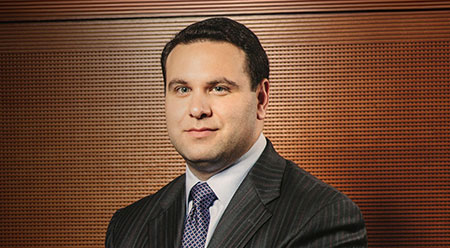
Meet Michael Fienman
From first-time charges to high-stakes, career-threatening cases, Michael brings the same level of preparation, strategy, and relentless advocacy to every matter.
Michael H. Fienman